
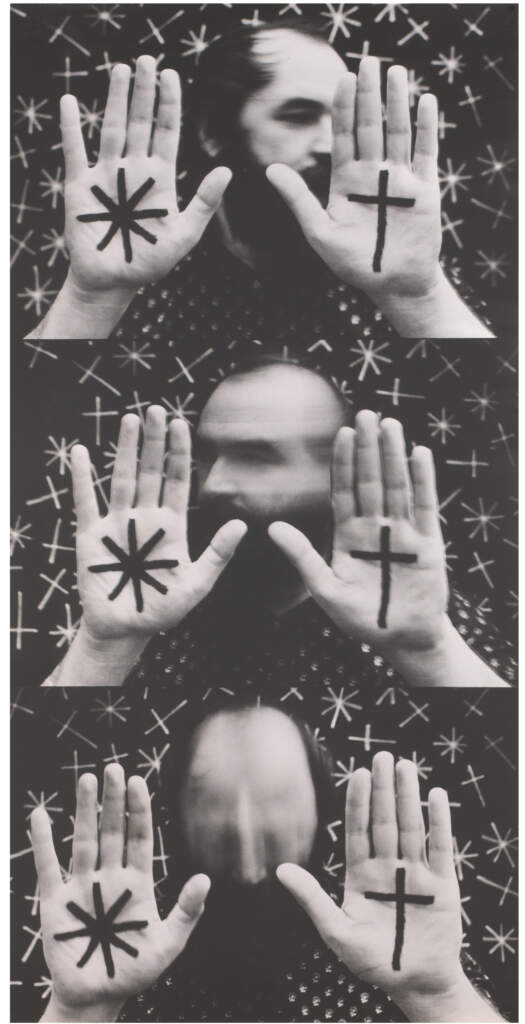
Unadapted Observers. Outsiders and Outlaws
International group exhibiton.
4. 12. 2024 – 17. 1. 2025
During socialism, the status, function, and aesthetics of photography were remarkably
similar across all former socialist countries. In the Central European countries that were part
of the socialist bloc, there was also a unique collective organisation in the field of
photography, as most photographers worked within the system of photography clubs.
However, some photographers have worked outside the system and independently, some
because of a particular approach to their work, others because of censorship or even a ban
on their work. The exhibition project »Outsiders and Outlaws« focuses on those
photographers who stood out from the mainstream of photographic production in the former
socialist countries.
The exhibition project is divided into two parts. In the first group, we present photographers
who worked mainly in the line of social documentary, but at some point the subjects and
motifs of their photographs became problematic for the authorities of the time. Some
photographers consciously turned to socially engaged photography, which did not only
document reality, but also expressed criticism and resistance to the regime, or presented life
under socialism in highly satirical tones. Sometimes, however, it took just one »wrong«
photograph to put a photographer’s career and fate on the line.
The second group includes artists who, from the late 1960s onwards, primarily explored the
possibilities of creative expression in the photographic medium. On the one hand, these
were artists who »used photography«, on the other hand, photographers who consciously
moved away from the dominant aesthetic of documentary. Both built to a large extent on the
legacy of the pre-war avant-gardes, some of them in a marked continuity with the pre-war
photographic avant-gardes.
In this exhibition project we present some of the important protagonists of the development
of specific artistic practices in photography in the Central East Europe before 1990, a
development that led from post-war propaganda documentary photography to today’s
contemporary art photography. The artists presented here demonstrate that there is a
remarkable heritage of post-war, modernist photography in this part of Europe, but that in
many ways it is still (too) little known in the wider global as well as European context. There are several reasons for this, but undoubtedly the restrictions on freedom of creation,
representation and international networking under socialism are also to blame.
Participating artists:
János Szász, Andrzej Baturo, Vladimír Birgus, Jindřich Štreit, Tone Stojko, Stane Jagodič, Rudolf Sikora, Gábor Kerekes, Ladislav Postupa, Bálint Szombathy.
The exhibition is supported by:

-
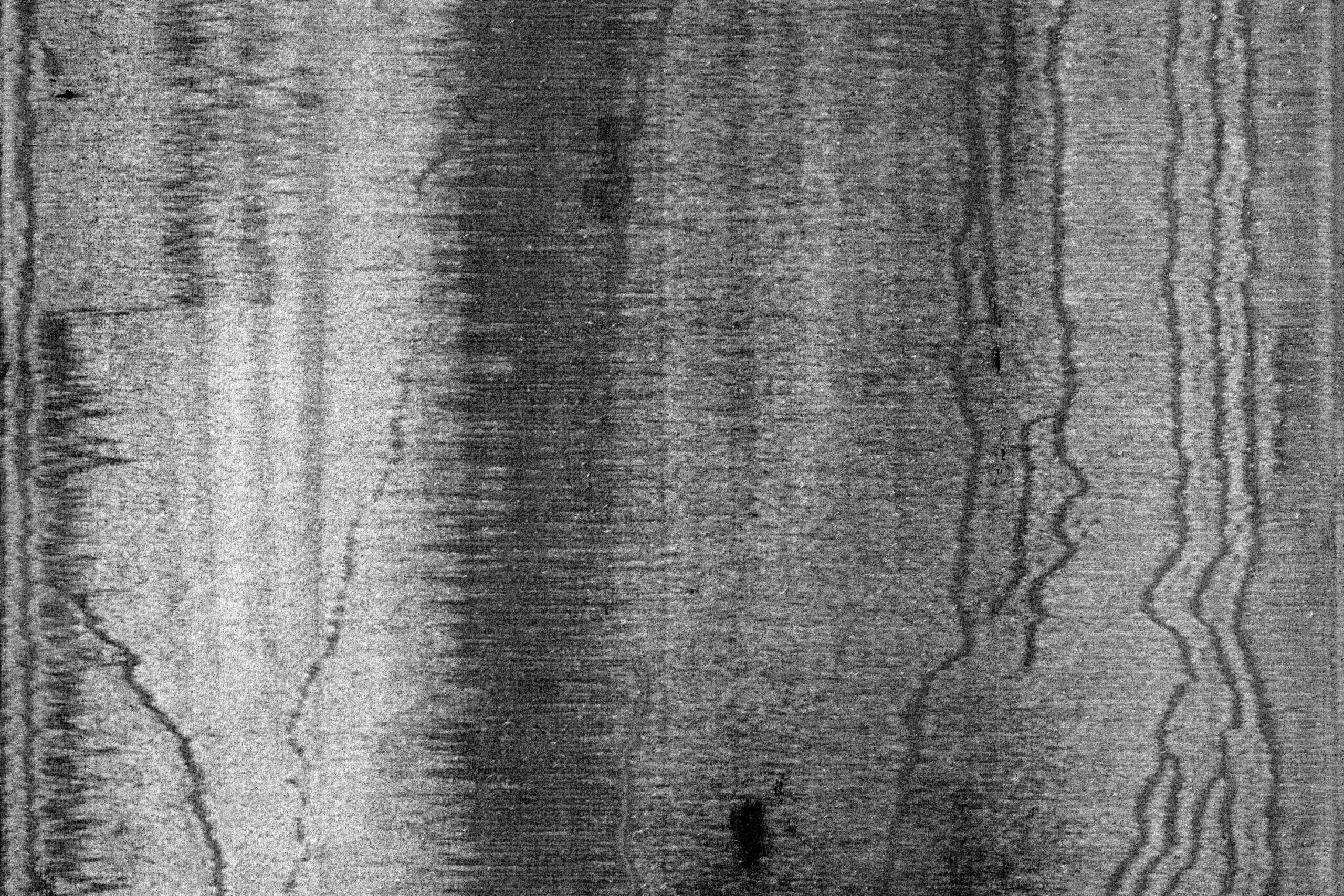
- Bálint Szombathy, Motion – pictures. Telephotographs, 1980s / 2002
-
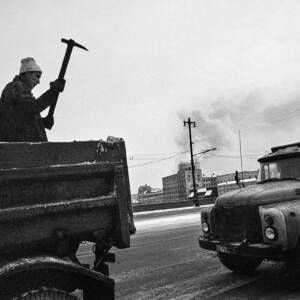
- Vladimir Birgus, Moscow, 1982 (1)
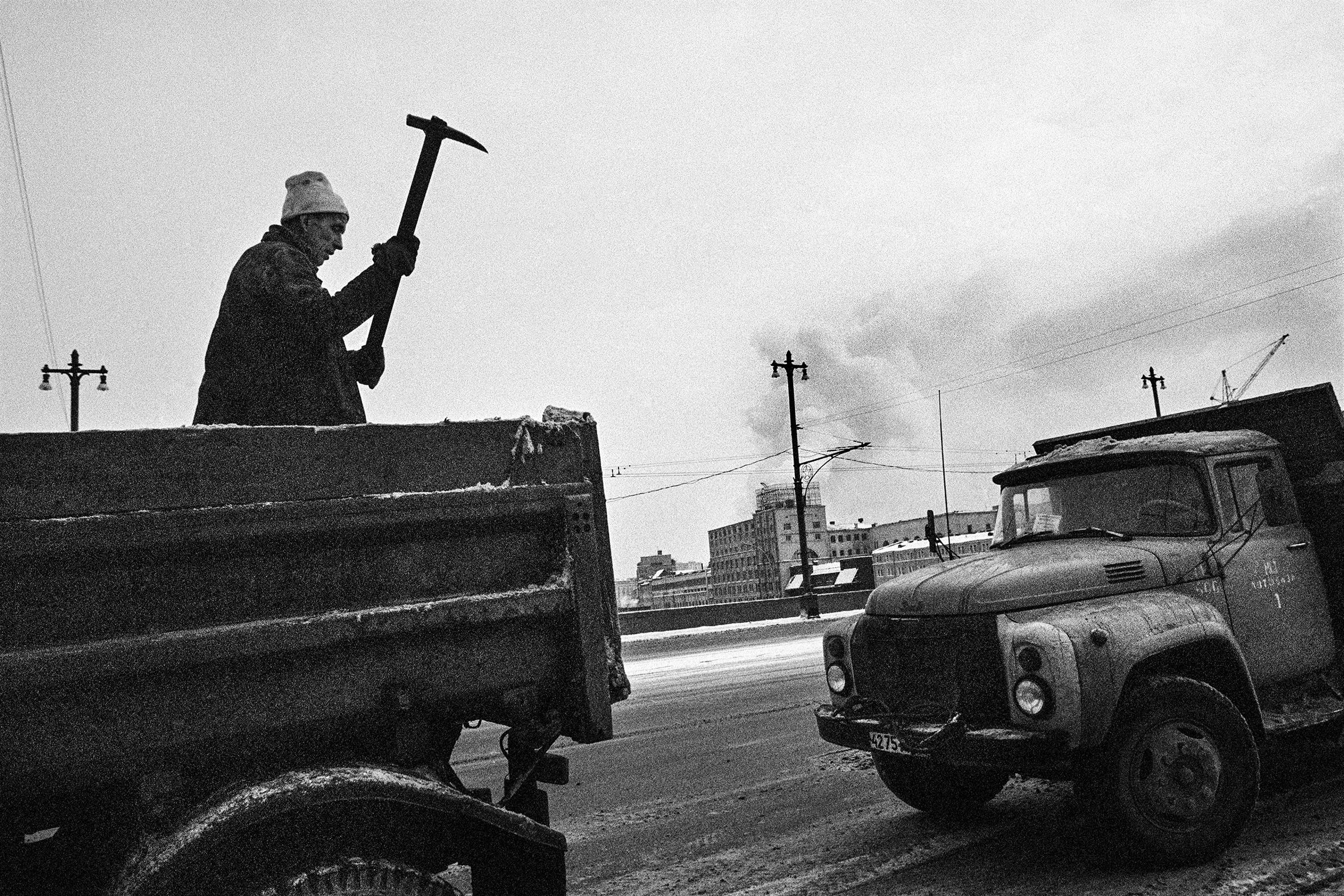
-
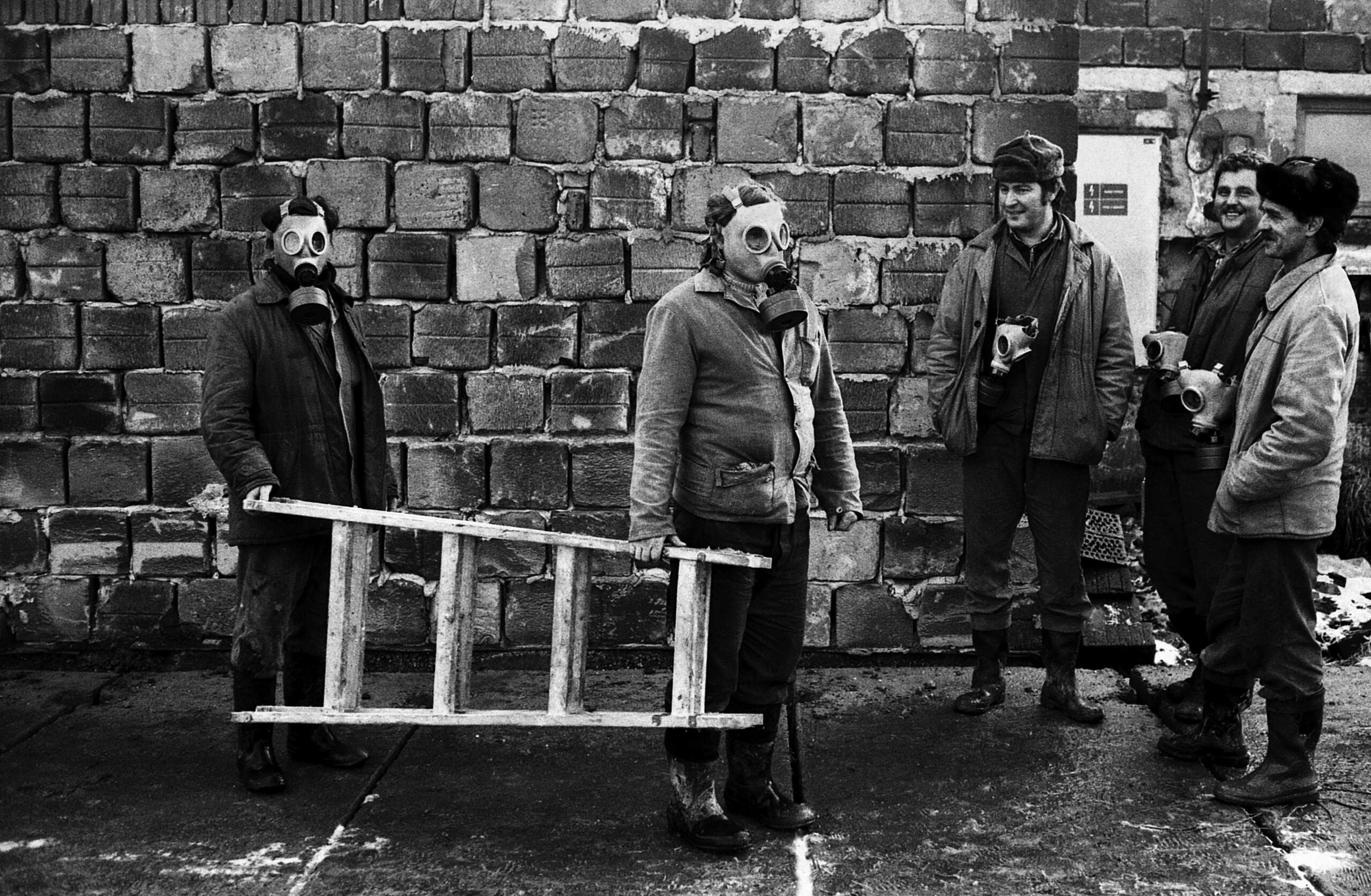
- Jindřich Štreit, Arnoltice, Civil Defence Exercise, 1985
-
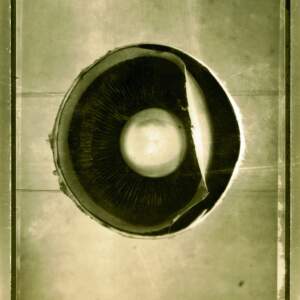
- Gábor Kerekes, Eye Lens
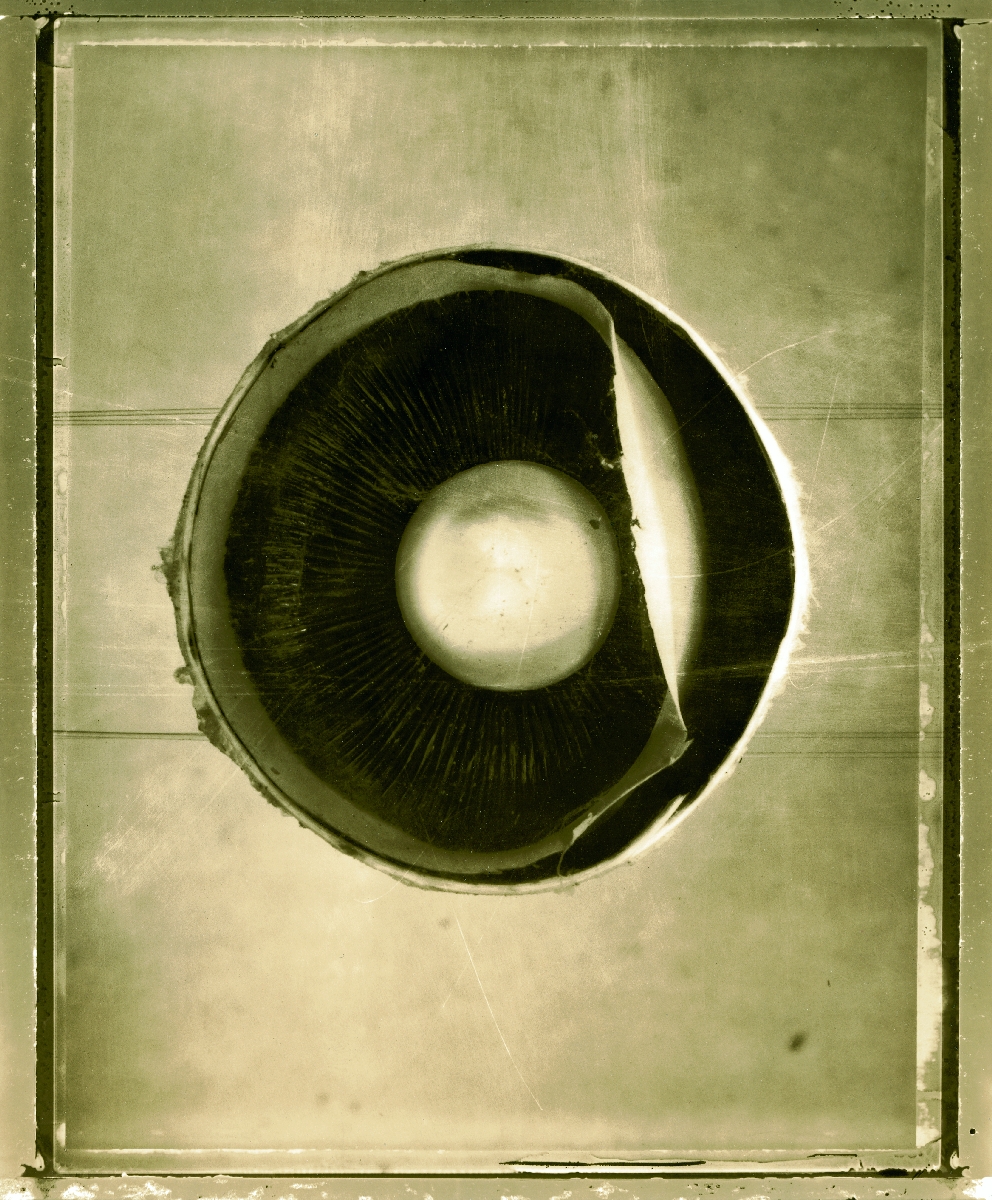
-
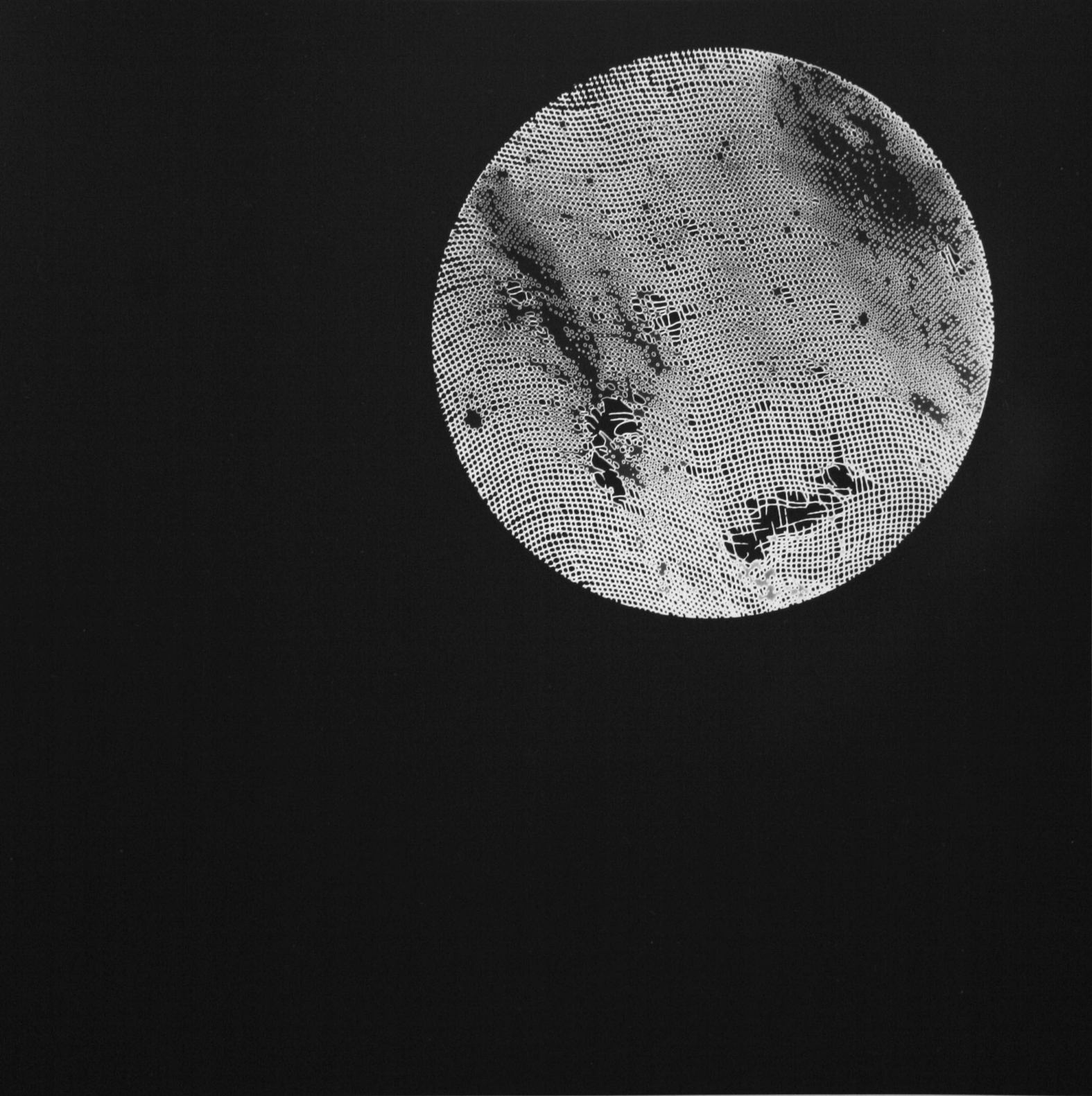
- Ladislav Postupa, Moon
-
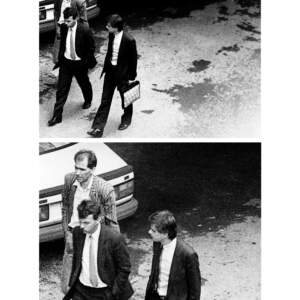
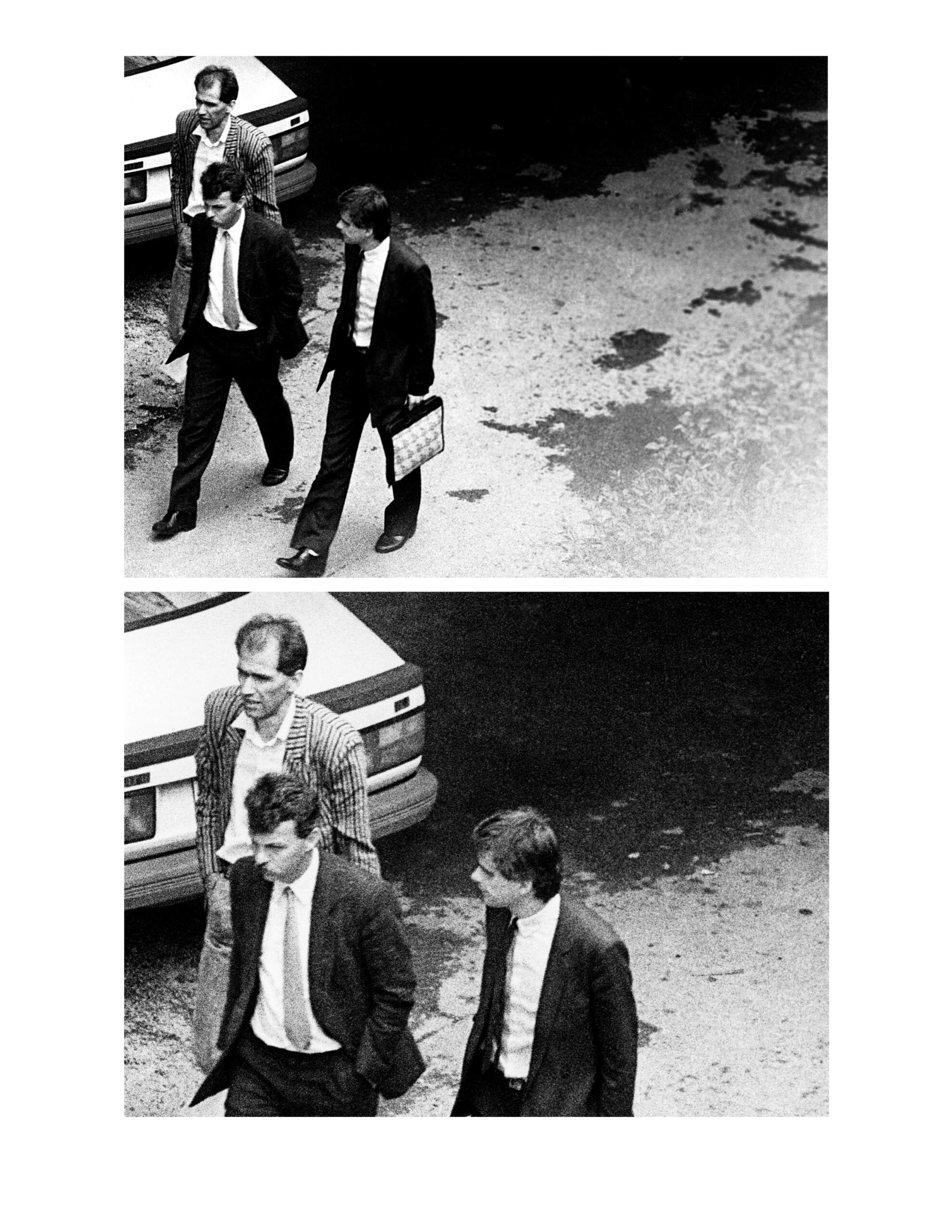
- Tone Stojko, Arrest of Janez Janša, 1988
-
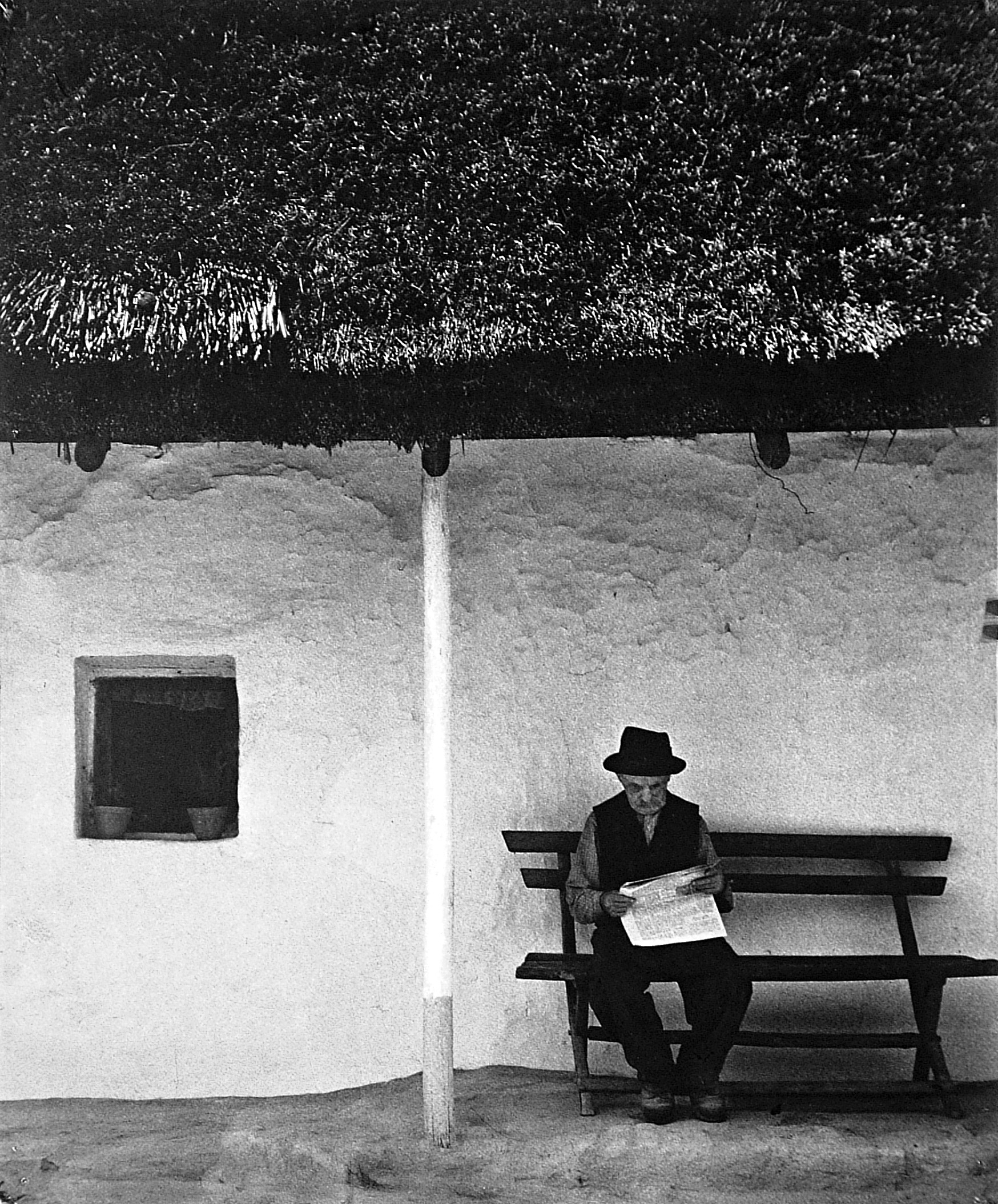
- Janos Szász, Folk Architecture, c. 1960s
-
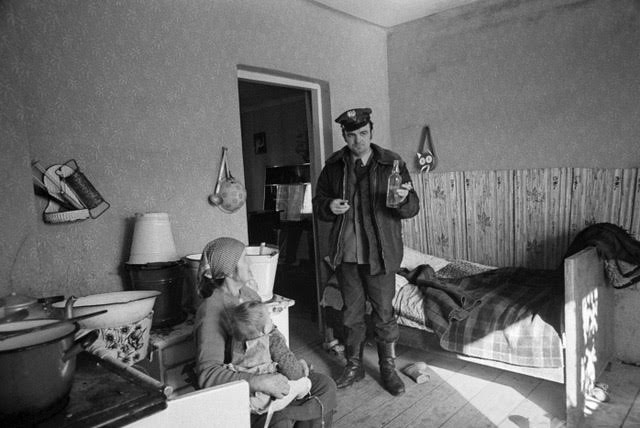
- Andrzej Baturo, Drunken Poland, 1977
-
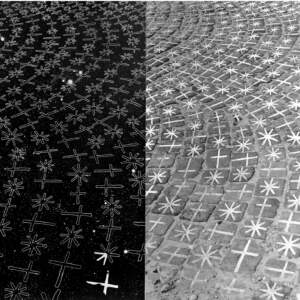
- Rudolf Sikora, Between Heaven and Earth, 1985

-
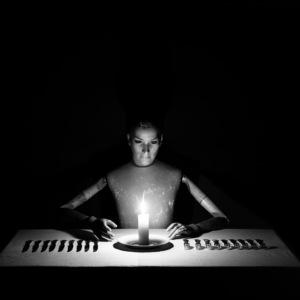
- Stane Jagodič / Premonition, 1972
