-
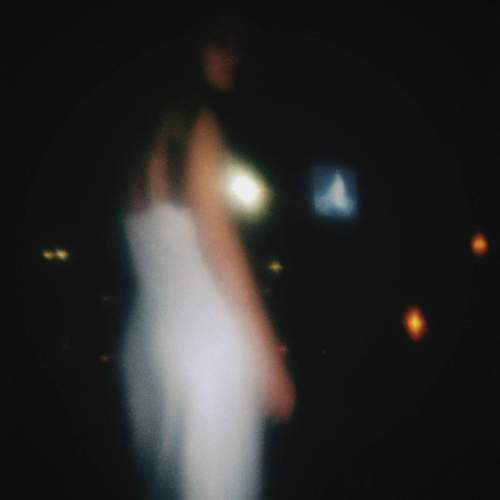 Nicole Brandstaetter (2001) is a Vienna-based artist whose work spans the fields of photography, storytelling, fashion and design. Since 2019, her photographic practice has been driven by a relentless pursuit of aesthetics, capturing the intricate interplay between visual appeal and narrative depth. Her public recognition began in 2020 with exhibitions at prestigious venues such as the Academy of Fine Arts. With a background in photography and audiovisual studies, her distinctive style and thematic exploration has been featured in various online magazines and recognized by designers in Vienna and the wider German-speaking community. The artist, who grew up in two different cultures - Austrian and American - is deeply intrigued by themes such as self-expression, transience and longing. These interests feed into her work, adding layers of meaning and resonance that invite the viewer to engage with the deeper narratives woven into her photographs. Her ability to integrate design and fashion into her photography has created a powerful visual language that captures the essence of contemporary artistic expression. In the photograph, rain pours down on the lens of my camera, creating this beautiful and abstract image of a silhouette in a white dress in the city of Milan. Amidst the dark streets, the glow of distant streetlights resembles a scattering of luminous dots. - Edition of 6 prints, sized 20x30 and printed on semi-Matt archival paper.
-
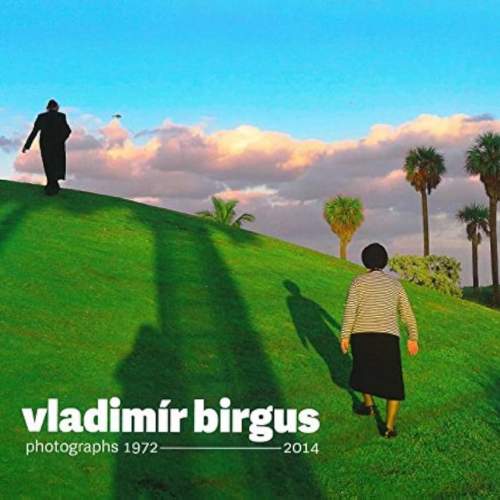 Vladimír Birgus is a photographer, curator, historian of photography, professor and head of the Institute of Creative Photography at the Silesian University in Opava. As early as the early 1980s, he was one of the first Czech photographers who tried to make thoughtful use of the emotional and psychological effects of colour in subjectively conceived documentary images, which were produced in parallel with his black and white work. Birgus's photographs in the book are accompanied by only brief information about the year and place of their creation; the various ways of interpretation are entirely up to the viewer and their willingness to mentally engage. As the years pass, his works are more and more accompanied by the motif of melancholy and the principle of counterpoint, striving for the surrealism of impressive scenery as well as the application of metaphor and symbolism. In many confrontations of people with their environment or in response to various coexisting stories, exposed in a split second in the scenery of the lived present, he alienates the micro-stories of human existence. Photos: Vladimír Birgus Text: Štěpánka Bieleszová Translation: Derek & Marzia Paton Design: Petr Šmalec Publisher: KANT in cooperation with the Olomouc Museum of Art Hardcover, 179 pages ISBN-10:8087149750 ISBN-13: 978-8087149751
-
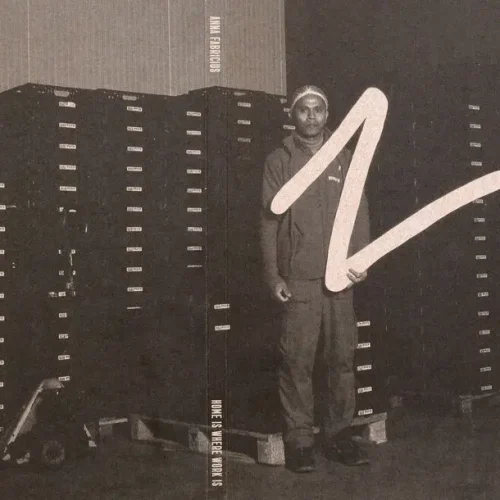 WHAT CAN WE LEARN FROM FOREIGN WORKERS? Anna Fabricius has been researching the changing cultural and personality-shaping role of work for years and is currently investigating the increasingly common transnational family relationships resulting from the global division of labour. She has been collaborating with workers from the Far East (Nepal, Myanmar Thailand, Philippines, India), like Insiyatul Urbayanti, who have been employed for shorter or longer periods in agriculture or in the manufacturing industry. The majority of them are young, poor men and women whose daily lives are charac-terised by restricted freedom of movement, strict daily schedules and low wages. There is a constant migration of labour between the poorer and richer regions of the world, and Hungary is also involved in this exchange both as host and exporter. The project titled "Home Is Where Work Is" addresses some of the most pressing issues of our time, where the discourse on human rights is accompanied by restrictive immigration regulations. In this respect, the title of the project carries several mean-ings. We can conceive of work as an instrument of power that forces people to leave their homes, determines their living spaces, their daily rhythms and their personal relationships. The title also addresses the insecurities of the transitory situation in which one cannot feel at home in their place of birth or in their place of work. Lastly, it refers to the dilemmas between moneymaking work and care work to maintain the family home, and thus to the tensions between the economy, society and the reproduction of culture. Тext: Judit Csatlós, Tibor Meszmann Translation: Dániel Sipos Graphic Design: Adrienn Császar Printing House: EPC ISBN: 978-615-02-1329-3
-
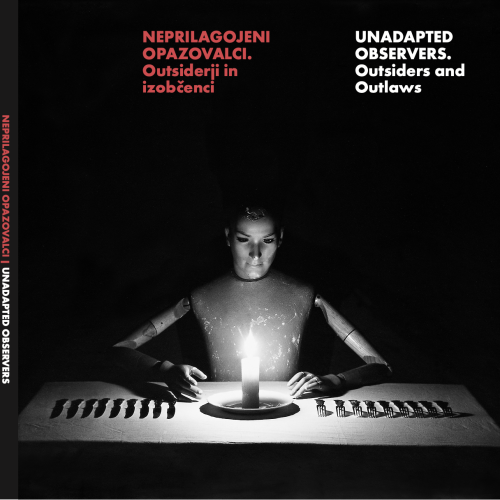 Exhibiton catalogue of the project UNADAPTED OBSERVERS. Outsiders and Outlaws. During socialism, the status, function, and aesthetics of photography were remarkably similar across all former socialist countries. In the Central European countries that were part of the socialist bloc, there was also a unique collective organisation in the field of photography, as most photographers worked within the system of photography clubs. However, some photographers have worked outside the system and independently, some because of a particular approach to their work, others because of censorship or even a ban on their work. The exhibition project »Outsiders and Outlaws« focuses on those photographers who stood out from the mainstream of photographic production in the former socialist countries. Participating artists: Andrzej Baturo (PL), Vladimir Birgus (CZ), Stane Jagodič (SI), Gábor Kerekes (HU), Ladislav Postupa (CZ), Rudolf Sikora (SK), Tone Stojko (SI), János Szász (HU), Bálint Szombathy (HU), Jindrich Streit (CZ) Publisher and producer: Photon - Center za sodobno fotografijo Curator, editor and author of the text: Dejan Sluga Design: Jure Legac Proof-reading: Deja Bečaj Printing: Birografika Bori Edition: 200
-
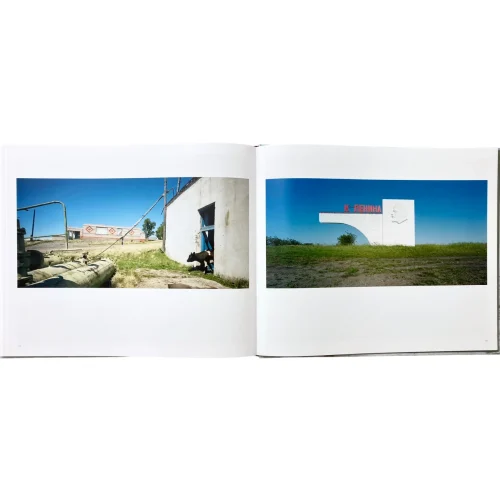
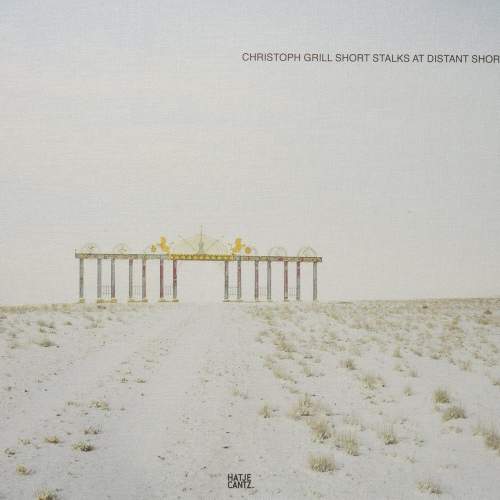 NEW!In breathtaking, wide-angle photographs, Christoph Grill (b. 1965) documents the post-Perestroika development of the 15 former Soviet countries: Albania, Slovakia, Poland, Hungary, the Ukraine, Belarus, Russia, Lithuania, Latvia, Estonia, Armenia, Nagorno-Karabakh, Azerbaijan, Kazakhstan, Kyrgyzstan and Tajikistan. Emphasising the empty space around their subjects, Grill’s colour and black-and-white images are distinctly unsentimental portraits of everyday life - children playing amid the ruins of communist utopias, triumphal arches now surrounded by rubble, grass growing in the cracks of military parade grounds, ramshackle dwellings bandaged up with planks of plywood. Not all of these scenes are desolate, however, and cheerier portraits of persons encountered on Grill’s travels, improvising their fun in makeshift swimming pools or along roadsides punctuate the more sober depictions of post-Soviet life. Handsomely clothbound and printed, Short Stalks at Distant Shores records how these states not only underwent renewal but also had to endure economic standstill and regression; it also testifies to the human will to survive amid the bleakest of conditions. Publisher: Hatje Cantz Translation: Laura Schleussner Graphic Design: Elke Ederer, Christoph Grill ISBN: 978-3-7757-3398-4
-
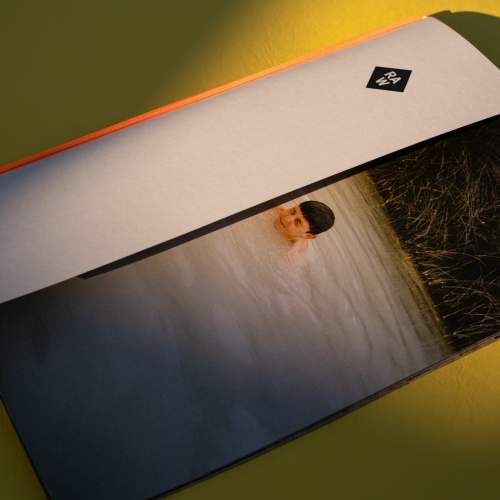 Belgrade Raw is a photo collective founded in 2009 with the idea to explore social, urban and political aspects of city life through the photographic medium. They actively record everyday Belgrade and the state of its community. Belgrade Raw exhibited their work on various occasions, as solo shows in galleries or as part of local and international festivals. They organized a photo fair for five years in a row, while in the period of four consecutive years they have initiated a series of workshops dedicated solely to documentary photography, entitled serbia raw. The collective also published the serbia raw photo book, in which they assembled all the materials produced by the participants in 13 serbian cities. To mark the collective’s 15th birthday, they created a fanzine that they released during their exhibition ‘Two Days Three Nights‘ at Prostor Gallery in Novi Sad, Serbia. Members of the belgrade raw collective are: Darko Stanimirović, Nemanja Knežević, Luka Knežević – strika, Milovan Milenković, Andrej Filev, Aleksandra Mihajlović, Mane Radmanović, Dušan Rajić, Jelena Mijić, and Saša Trifunović. 40 pages 18,5 x 27,5 cm digital print Full color on glossy coated paper 180gr
-
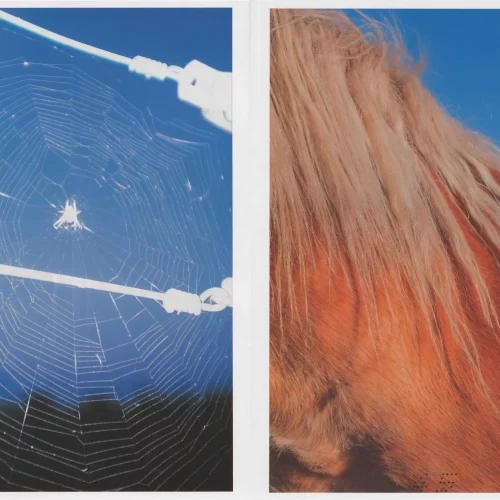
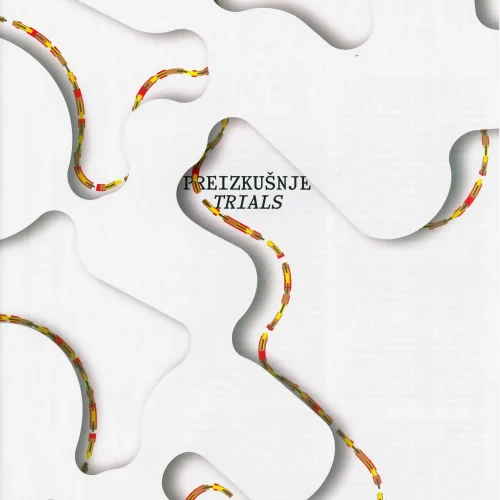 Henrik is a magazine and platform dedicated to documentary and contemporary photography, offering a rare printed space for visual storytelling in a time when such opportunities are becoming increasingly scarce. It provides photographers with the chance to tell meaningful stories that blend topical relevance, a refined visual language and a distinctly personal approach. As a one-of-a-kind publication in Slovenia and the broader region, Henrik brings a breath of fresh air and offers a much-needed stage for creative voices.The first issue revolves around the theme of Trials. Ana Šuligoj shares a deeply personal account of losing her mother due to asbestos exposure, while Robert Marin and Sergej Harlamov delve into the metaphorical and literal underground - a refuge for those seeking meaning. Eva Bevec uses visual language to explore the quiet presence of the banal and the absurd as a subtle reflection of today’s struggles. Ivan Tomašević offers a moving meditation on the Croatian war veteran community through the lens of his father’s story, while Meta Krese presents Hazira’s powerful testimony from a survivor camp following the Srebrenica genocide.
Photographers: Ana Šuligoj, Robert Marin, Meta Krese, Eva Bevec, Ivan Tomašević
Editors: Nik Erik Neubauer, Jaka Teršek
Designer: Žiga AnderličLanguage: English, Slovenian Size: 43 x 30 cm, 64 pages Binding: twin-loop binding Publisher: Društvo Študio, 2025Print run: 500 -
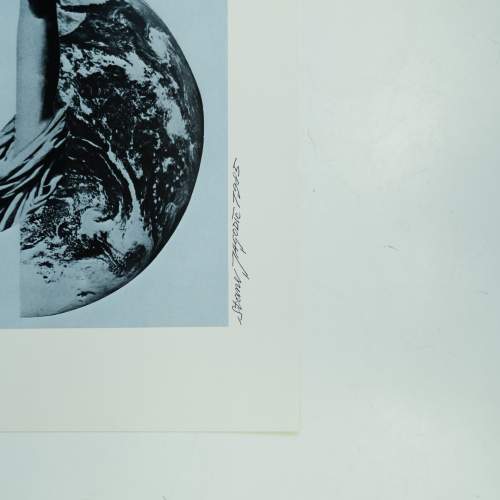
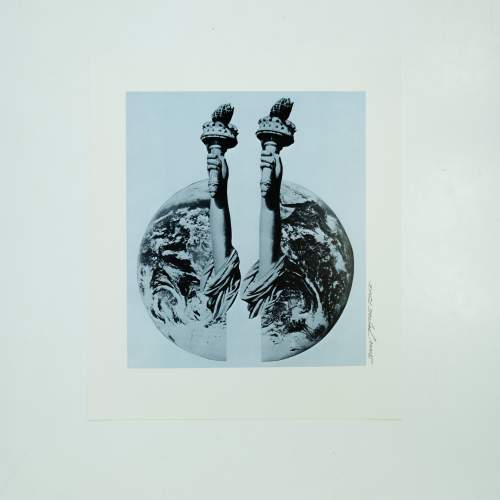 Stane Jagodič (1943) has been active in various fields, media and contexts of visual art since the mid-sixties. After graduating from the Academy of Fine Arts in Ljubljana in 1970, he soon became one of the most active and prominent artists in Yugoslavia, due to his distinguishable artistic expression. In his continuously developing body of work, he has adopted several different concepts of artistic production using various artistic media such as photography, painting, graphics, cartoons, performance, assemblages and object art (installations). Since 1967, Stane Jagodič has been exploring artistic photography and some of its creative derivates like photomontage and photo collage, which are the most significant in his artistic production. Stane Jagodič was a co-founder and conceptual leader of Grupa Junij, active between 1970 and 1985. The group worked as a broad artistic platform that included a number of prominent local and international artists. As an independent artist, Stane Jagodič participated in more than 50 solo and more than 200 group exhibitions worldwide. He lives and works in Ljubljana. To accompany the exhibition Why? at the Photon Gallery, which is on view from November 6, 2025 to January 23, 2026, we have prepared a short offer of limited edition prints from the Stane Jagodič collection.
-
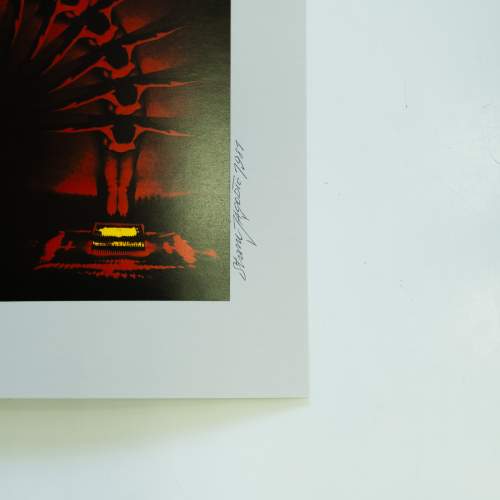
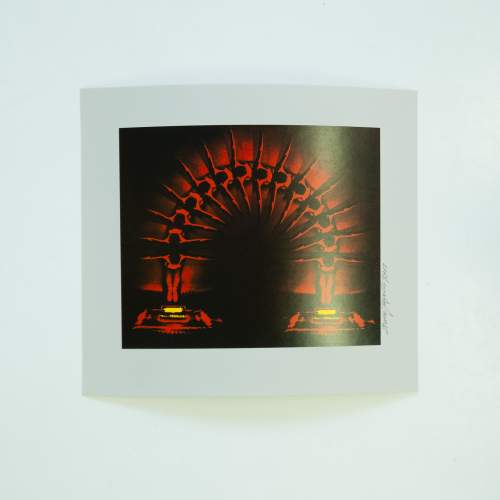 Stane Jagodič (1943) has been active in various fields, media and contexts of visual art since the mid-sixties. After graduating from the Academy of Fine Arts in Ljubljana in 1970, he soon became one of the most active and prominent artists in Yugoslavia, due to his distinguishable artistic expression. In his continuously developing body of work, he has adopted several different concepts of artistic production using various artistic media such as photography, painting, graphics, cartoons, performance, assemblages and object art (installations). Since 1967, Stane Jagodič has been exploring artistic photography and some of its creative derivates like photomontage and photo collage, which are the most significant in his artistic production. Stane Jagodič was a co-founder and conceptual leader of Grupa Junij, active between 1970 and 1985. The group worked as a broad artistic platform that included a number of prominent local and international artists. As an independent artist, Stane Jagodič participated in more than 50 solo and more than 200 group exhibitions worldwide. He lives and works in Ljubljana. To accompany the exhibition Why? at the Photon Gallery, which is on view from November 6, 2025 to January 23, 2026, we have prepared a short offer of limited edition prints from the Stane Jagodič collection.
-
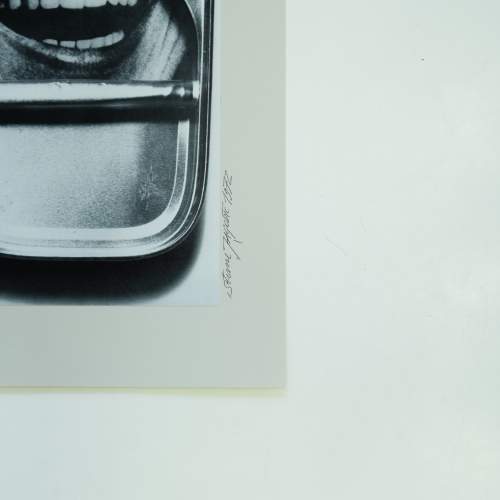
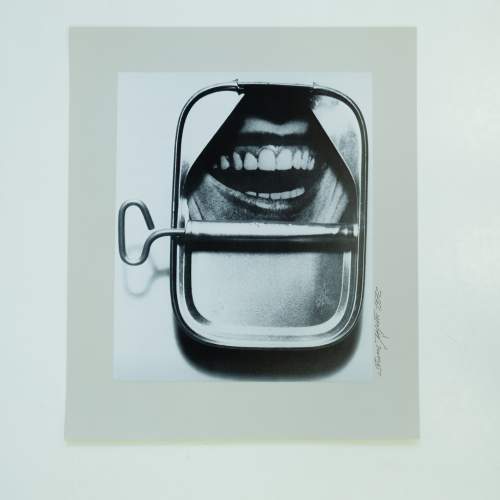 Stane Jagodič (1943) has been active in various fields, media and contexts of visual art since the mid-sixties. After graduating from the Academy of Fine Arts in Ljubljana in 1970, he soon became one of the most active and prominent artists in Yugoslavia, due to his distinguishable artistic expression. In his continuously developing body of work, he has adopted several different concepts of artistic production using various artistic media such as photography, painting, graphics, cartoons, performance, assemblages and object art (installations). Since 1967, Stane Jagodič has been exploring artistic photography and some of its creative derivates like photomontage and photo collage, which are the most significant in his artistic production. Stane Jagodič was a co-founder and conceptual leader of Grupa Junij, active between 1970 and 1985. The group worked as a broad artistic platform that included a number of prominent local and international artists. As an independent artist, Stane Jagodič participated in more than 50 solo and more than 200 group exhibitions worldwide. He lives and works in Ljubljana. To accompany the exhibition Why? at the Photon Gallery, which is on view from November 6, 2025 to January 23, 2026, we have prepared a short offer of limited edition prints from the Stane Jagodič collection.
-
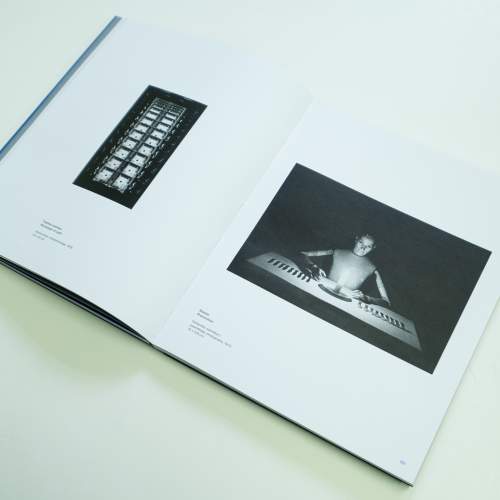
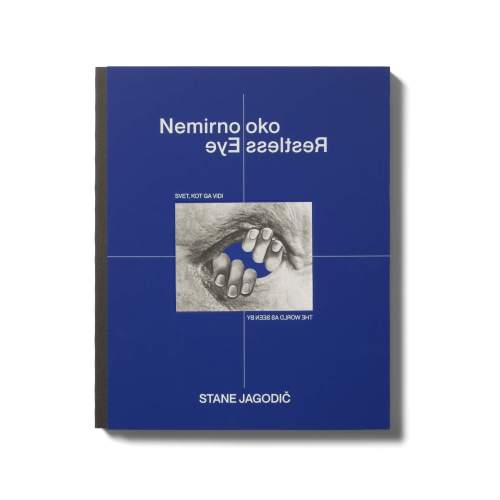 NEW!A representative bilingual catalogue of the exhibition Stane Jagodič: Restless Eye brings together key texts, a rich selection of works, and the distinctive design of Kabinet 01 studio. The catalogue accompanying the survey exhibition Restless Eye at the City Art Gallery Ljubljana offers a comprehensive insight into more than six decades of creation by one of the most intriguing Slovenian artists. The publication features essential texts by curators Barbara Sterle Vurnik and Dejan Sluga, and by art historian Dr. Lev Menaše, illuminating Jagodič’s rich interdisciplinary practice – from drawing, photomontage and X-ray art to performance and complex assemblages. In addition to documenting the exhibition layout, the catalogue includes an extensive selection of reproductions of key works from the 1960s, 70s and 80s, revealing artistic breakthroughs, influences of historical avant-gardes and the artist’s distinctly socially critical stance. A particular value of the catalogue lies in the meticulously crafted design by Studio Kabinet 01, led by Jan Jagodič, whose thoughtful visual rhythm and contemporary graphic language complement the conceptual character of the exhibition. This representative bilingual catalogue is intended for both experts and lovers of contemporary art – an essential companion to one of the most important presentations of Jagodič’s oeuvre to date. Published by: Museum and Galleries of Ljubljana / City Art Gallery Ljubljana Editors: Barbara Sterle Vurnik, dr. Sarival Sosič Texts: Barbara Sterle Vurnik, dr. Lev Menaše, Dejan Sluga English translation and proofreading: Arven Šakti Kralj Slovenian proofreading: Mirjam Furlan Lapanja Design and layout: Hana Jesih, Kabinet 01 Printed by: Collegium Graphicum d. o. o., Ljubljana Print run: 230 December, 2025
-
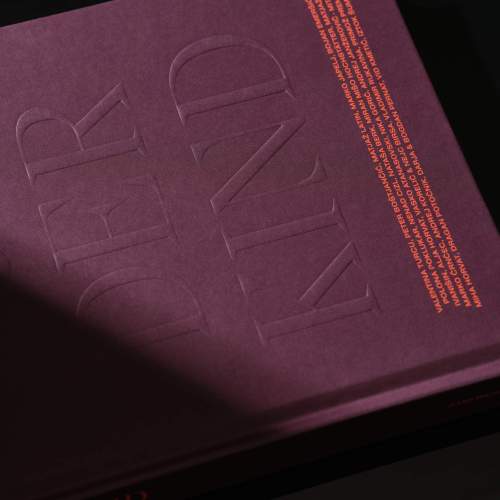
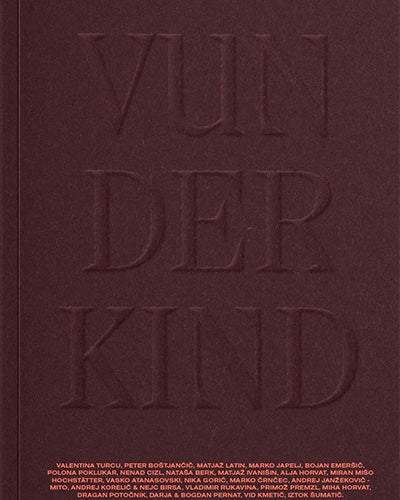 NEW!The book is a tribute to portrait photography, enriched with interviews with individuals who create excellence and strengthen the positive energy of the city. The subjects reveal fragments of their personal experiences, creative processes, and lives in general. Each of them has made a profound mark on their field, be it theater, music, visual arts, or urban culture. What they all have in common is that they raise the cultural capital of the city. Because of them, Maribor is truly a Vunderkind - Katja Gönc Publisher: Visual communications, Sami Abder Rahim Author(s) of the text(s): Marko Radmilovič, Jaša Lorenčič, Uroš Dokl, Katja Gönc Year of publication: 2022 Dimensions and number of pages: 215 × 285 × 30 / 312 pages Hardcover
