-
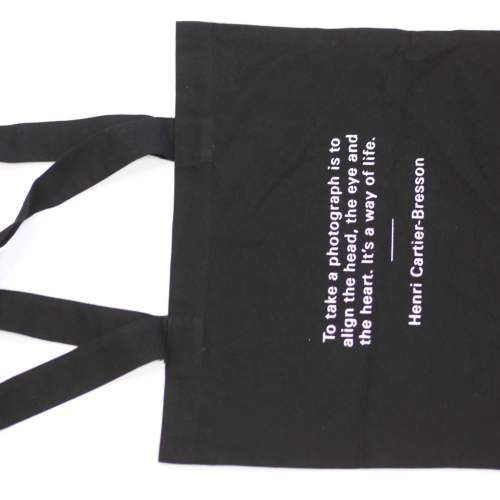
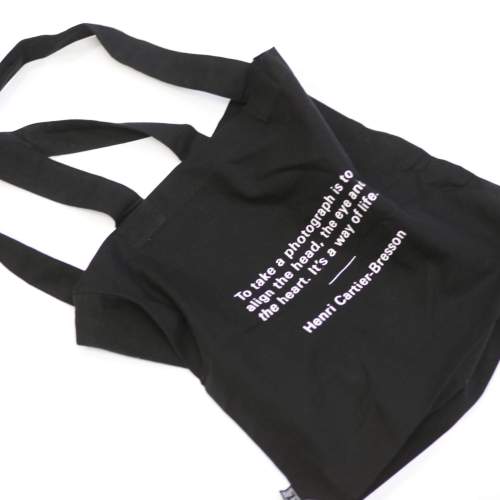 Tote bag sporting Henri Cartier-Bresson’s words of wisdom. Released to celebrate the 70th Anniversary of Magnum.
 -
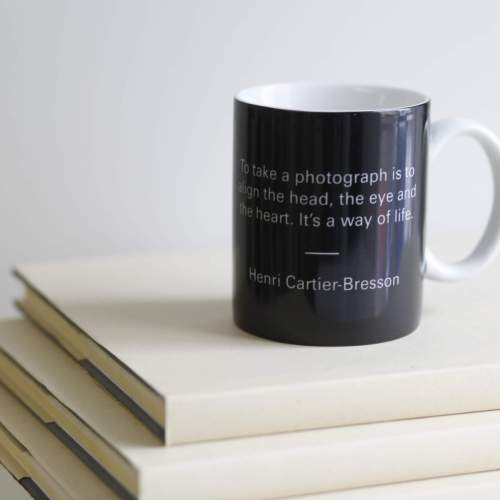
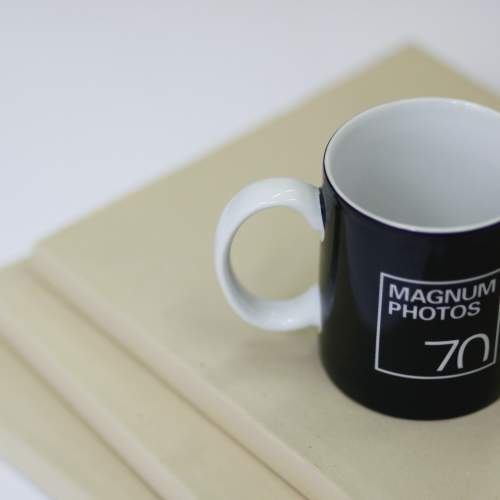 Coffee/Tea mug sporting Henrie Cartier-Bresson's words of wisdom. Released to celebrate the 70th Anniversary of Magnum.
 -
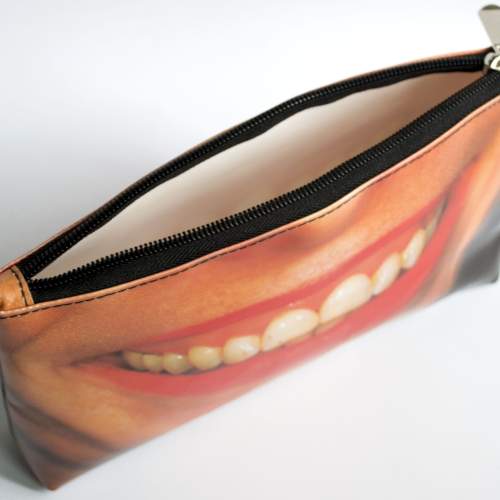
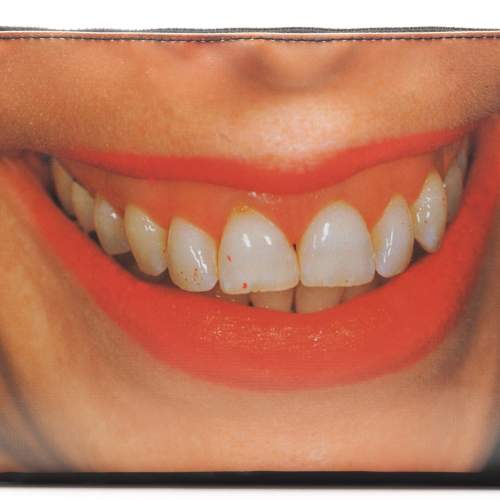 Make-up Bag with photograph by Martin Parr.
 -
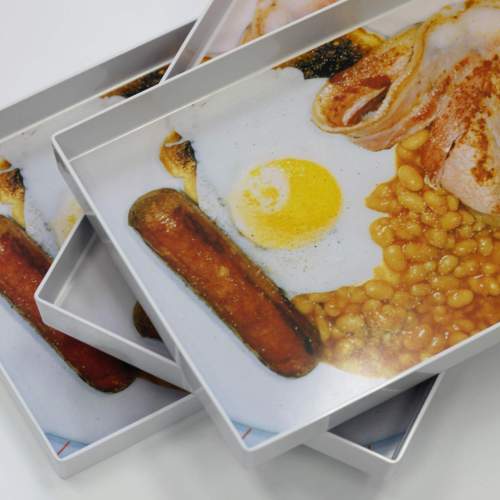
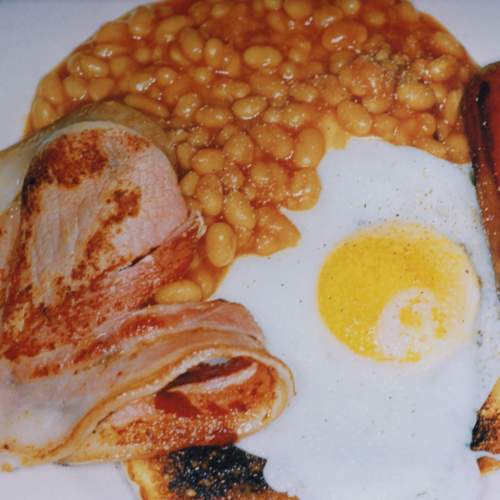 Breakfast tray with photograph by Martin Parr. Enjoy breakfast in bed with this unique serving tray featuring a full English breakfast photographed by Martin Parr in 1995. The image was included in Parr's book 'British Food' which marked the beginning of his fascination with food as a way to explore social issues and identity. Magnum Photos is an internationally renowned photographic cooperative owned by its photographer-members. This year marks Magnum Photos seventieth birthday and to celebrate they have collaborated with Plinth to create a series of homeware featuring some of their most iconic images. Released to celebrate the 70th Anniversary of Magnum. Dimensions: 24.5 x 37 cm
 -
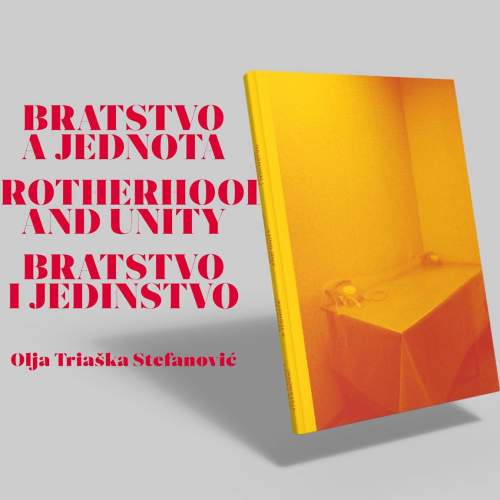
 The book Brotherhood and Unity presents the author's seven-year visual research about the disintegration / breakup of the former Yugoslavia. Book tells the story about identity, about the unification and divergence of nations in former Yugoslavia. Olja Triaška Stefanović is photographing the presence of the past through abandoned monuments, monuments and memorial landscapes, empty and destroyed Yugoslavia architecture and visually analyzes the terms remembrance and forgetting in the context of the disintegration of Yugoslavia and her own memory and personal history. In the photographic essay, she combined her photography essay with her short texts, family archive photos and an archival newspaper from former Yugoslavia and it that way tells the story of the leftovers of a country that no longer exists. The second part of the book presents four essays written by Slovak writers Martin M. Šimečka and Andrej Bán and art historians and professor Milena Bartlová from Prague and art historian Bohunka Koklesová from Bratislava, Slovakia. Essay are focus to issues of identity, remembrance and forgetting, brotherhood and unity and to the political situation and changes in Eastern Europe after 1989. Author/Photographs: Olja Triaška Stefanović, 2012 – 2019 Editors: Olja Triaška Stefanović, Bohunka Koklesová Published by: Academy of Fine Arts and Design, Bratislava Circulation: 350 First edition: 2020 ISBN 978-80-8189-038-3
 -
Out of stock
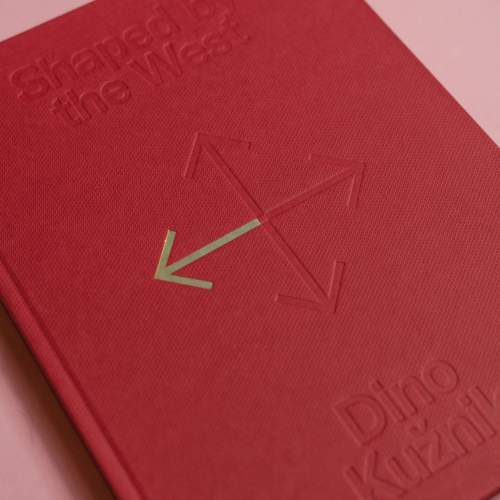
 In the book Shaped by the West Dino Kužnik (1986, Slovenia) depicts some of the most famous symbols of the American West, the car, the gas station, the road and also the landscape. This body of work was created between 2016 and 2019 on various solitary road trips. Conceptually, the series stems from the artist’s experience with the Westernization of the culture in Slovenia during its transition from socialism to capitalism, after its independence. Shaped by the West is thus a personal and artistic confrontation with the symbols of Americana from his youth opposed to his adult identity. The predominant narrative revolves around the artist’s desire to move abroad and a nostalgic vision of the American dream contrasted with his reality of living in a foreign country as well as the process of applying for an artist’s visa. Dino has lived in the USA since 2013 and has travelled through Arizona, California, New Mexico, Utah and Nevada in search of his artistic expression. Text : Špela Pipan Design : Emil Kozole Perfect Bound, 96 pages Edition: 300 copies Published by : Dino Kužnik & Photon Third edition: 2021 ISBN : 978-961-95107-3-5 COBISS.SI-ID: 62591747
 -
Out of stock
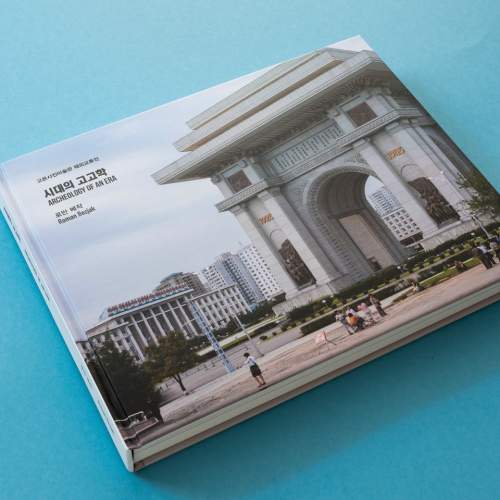
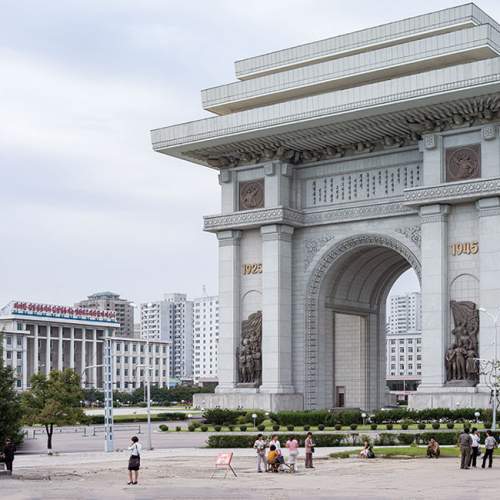 In recent years Roman Bezjak has been intensively studying the theme of Socialist Modernism. He took the last series of photographs in Tashkent, in a "city as a symbol of Soviet modernity and an open-air museum of socialist architecture". In this experimental laboratory of modern architecture, only the countless prefabricated buildings remain in their original condition today. The devastating earthquake of 1966 enabled the emergence of an open-air museum of socialist architecture in Tashkent. Urban planners were able to realize their vision of a new city as a symbol of Soviet modernity in Asia. In this experimental laboratory of modern architecture, only the countless prefabricated buildings remain in their original condition today. The architects and building artists virtuously combined constructional requirements with local traditions. Oriental mosaic ornaments decorate the windowless gable facades of the prefabricated buildings. The facade designs of the long sides take into account the hot climatic conditions of the region with their concrete ornaments that serve as sunshades. Author / Photographs: Roman Bezjak, 2005 - 2013 Senior Curator:: MiJung LEE Book Design: JiYoung KIM Published by: GoEun Museum of Photography, Busan. South-Korea First edition: 2019 Pages: 174 40 images Socialist Modernism 43 images Pyongyang ISBN 978-89-6956-036-0
 -
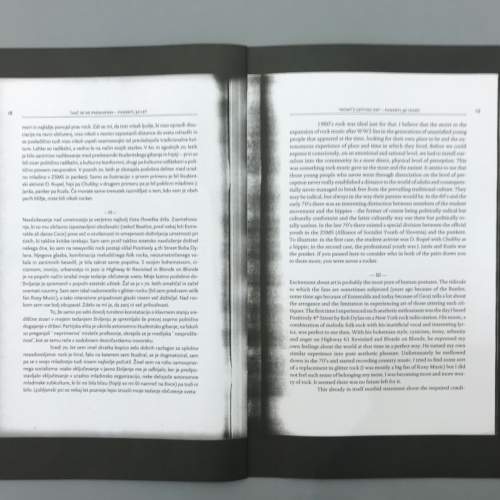
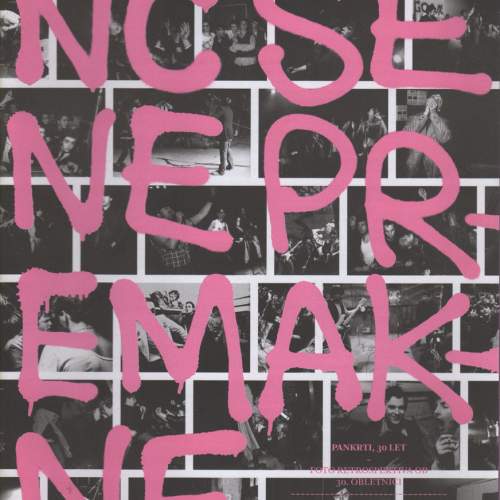 Nč se ne premakne je publikacija istoimenske fotografske retrospektive prvega pank benda v Jugoslaviji, ki je najavil novo ero lokalne kulturne zgodovine. Razstava, ki je počastila 30. obletnico prvega nastopa skupine v gimnaziji Moste leta 1977, predstavlja dela številnih fotografov s področja Slovenije in bivše Jugoslavije kot so Vojko Flegar, Janez Bogataj, Tone Stojko, Božidar Dolenc, Slobodan Milojković, itd. Avtorji: Igor Bašin, Branko Kostelnik, Gregor Tomc Založnik: Photon – Center za sodobno fotografijo Leto izida: 2007 Mehka vezava, 22 strani Jezik: slovenski, angleški Dimenzije: 30 x 22 cm
 -
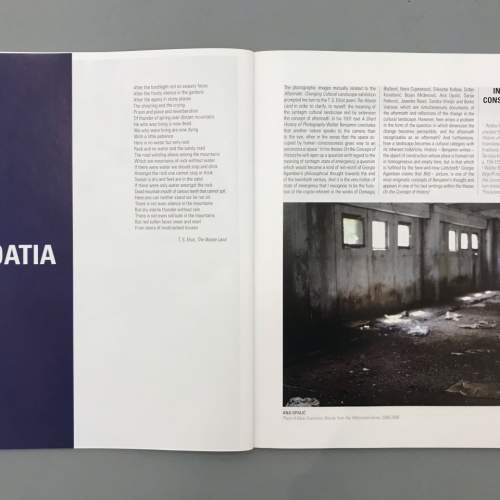
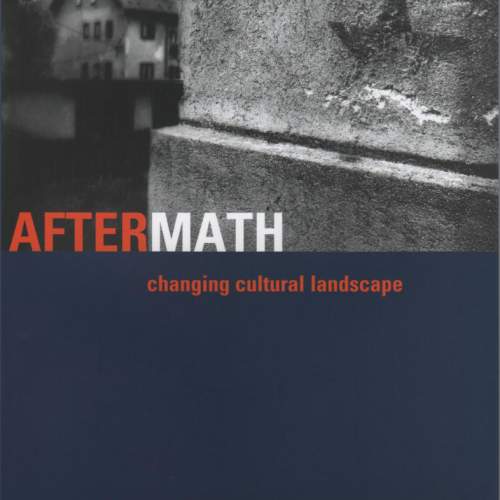 The publication Aftermath. Changing Cultural Landscape contains essays and presentation of 37 contemporary photographers from the territory of former Yugoslavia who have been active after its break-up (1991-2011). Blog of the project: aftermathsee.wordpress.com Authors: Milan Aleksić, Maurizio Bait, Miha Colner, Svetlana Slapšak, Dejan Sluga... Publisher: Photon – Centre for Contemporary Photography Year: 2013 Paperback, 130 pages Dimensions: 25 x 20 cm Language: English
 -
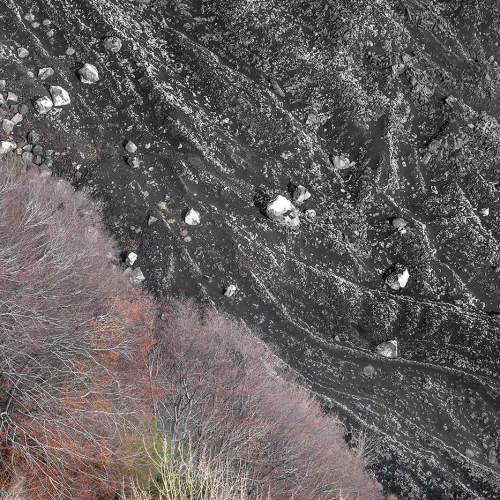
 The book Trees ('Drevesa in Slovene) is entirely dedicated to the visual and poetical presentation of the trees and forests. Photographs of Gregor Radonjič are combined with the poetry of Ivo Svetina. The book also includes an introductory essay on the significance of trees for human civilization throughout history and their depiction and symbolism in the art of photography written by the author Gregor Radonjič (all texts in Slovene language). Author: Gregor Radonjič Poetry: Ivo Svetina Publisher: Umco d..d, Ljubljana Year: 2020 Hard cover, 150 pages Edition: 500 Language: Slovene Dimensions: 30 x 20 cm ISBN: 978-961-7050-70-7
 -
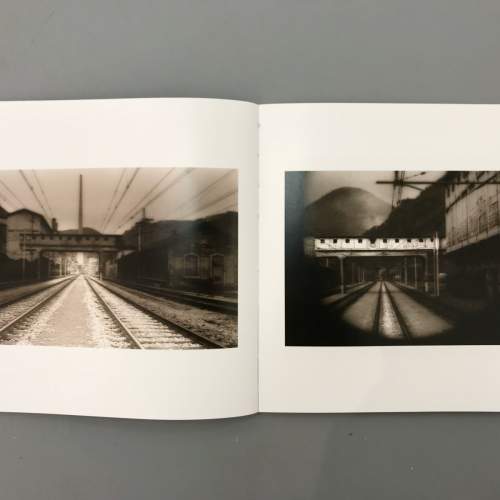
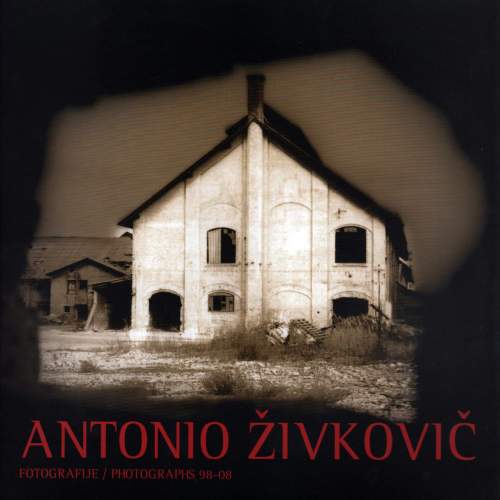 Živkovič grew up in the industrial town of Trbovlje, the centre of the mining industry in Slovenia, which significantly influenced his artistic endeavours. In his work h focuses on capturing places, stories, and motifs related to industrial towns. His oeuvre is characterised by poetic documentation of abandoned industrial landscapes. Author: Antonio Živkovič Publisher: Mestna galerija Ljubljana Year: 2009 Softcover, 104 pages 500 copies Language: english, slovene Dimensions: 24 x 24 cm ISBN: 978-961-6587-61-7
 -
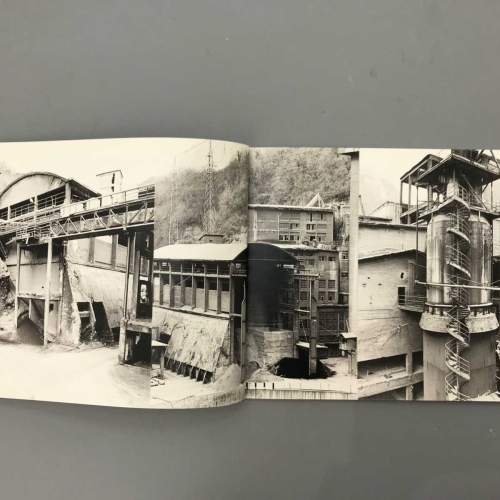
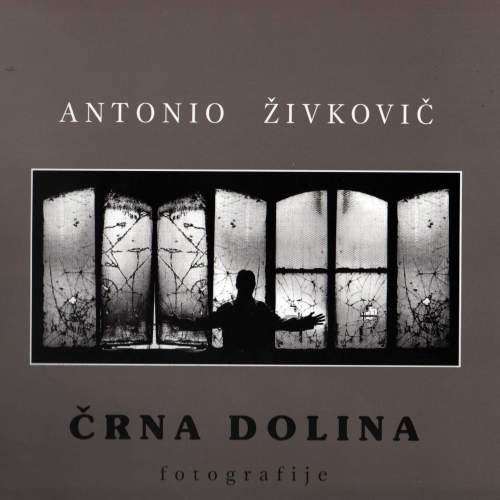
…The images of neglect and the attributes of industrial civilisation, the pictures of the core of the first five-year plan reveal to me something else, a time which has entered the memory. And which can only be reached through dreams or art. I can see Trbovlje as the destination of all expeditions, as the constant flow of light, a Trbovlje which to us seemed endlessly vast and limitless. A Trbovlje without the feeling of claustrophobia, a Trbovlje existing in the sky of our childhood. A Trbovlje one cannot imagine featuring in the title of a novel – A Black Valley – but rather in another title – How Green Was My Valley. And this strong and clear vision is ensured by Živkovič’s photographs, with great persuasion reminding me of the verse I recently came across. I do not remember the name of the poet. The verse goes something like this: “Whoever has not smeared himself with mud / Cannot hope to reach the sky.” (Uroš Zupan)
Author: Antonio Živkovič Publisher: Self-published Year: 1999 Softcover, 30 pages 800 copies Language: english, slovene Dimensions: 30 x 24 cm ISBN: 961-6302-41-8 -
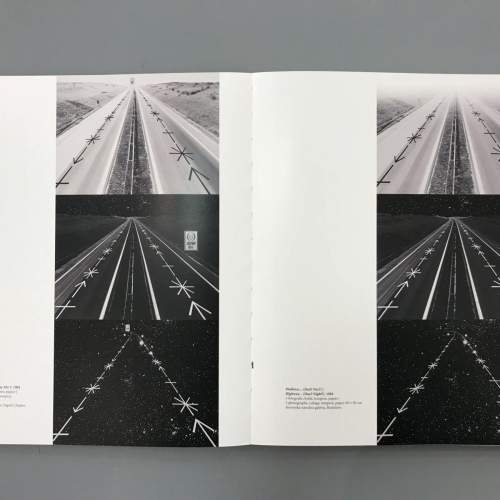
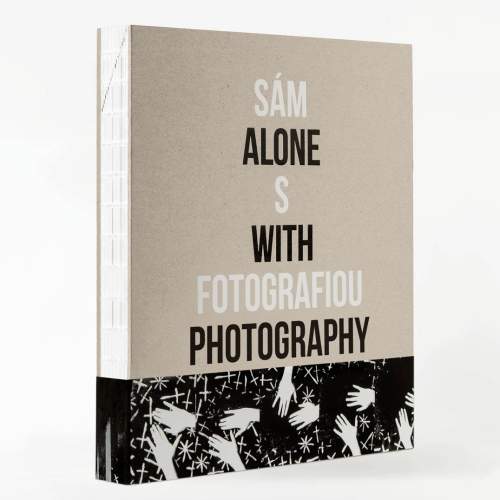 Rudolf Sikora is one of the most important conceptual artist in Slovakia. The book is divided into several logical units being dominated by the reproduction of works of authors who are listed chronologically. The harmony of the gallery sometimes are break with texts by curators, which also form the bulkheads in the book. Reproductions are designed individually, and each double-page is made with the same principles. However, none of the facing pages are similarly. The whole book is used two columns layout that varies with nuances. The book cover is a strip with photography that overlaps exactly two lines of text on the case. Overwrap, therefore, gives us a free hand in the creation of another visual book. Author: Rudolf Sikora Editor: Katarina Bajcurova Year: 2016 Hardcover, 328 pages Second extended edition Language: english, slovak Dimensions: 28 x 23 cm ISBN: 978-80-972583-0-6
 -
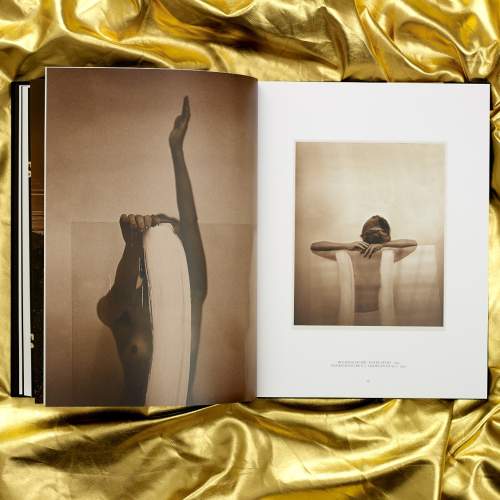

The author's work monumentally develops the genre of nude and attracts attention in the company of works by Drtikol, Saudek or Mapplethorp. Židlický deliberately violated the rules of classical photography on the inviolability of the negative. His work surprises with its distinctive visuals. The quality of Ator's work is evidenced by the representation in the collections of the Center Georges Pompidou, Paris, Museum of Modern Art, New York, Museum Ludwig, Cologne and others.
Author of photographs: Vladimir Židlicky Editors: Josef Moucha, David Židlicky Authors of text: Josef Moucha, Vladimir Židlicky Year of release: 2015 Hardcover, 239 pages Language: english, czech ISBN: 978-80-905608-3-3 -
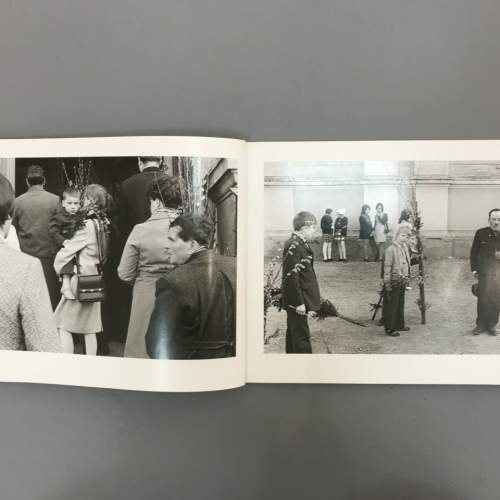
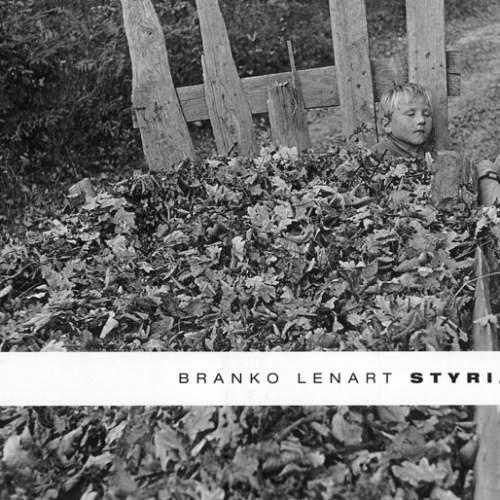 The Styrians series of photographs show everyday scenes from rural lives of ordinary local people, depicting their poverty and unenviable social status. The series draws a covert comparison to the new prospects and possibilities of the 1970s by showing the underdeveloped rural areas in contrast to the accelerated development of urban areas.
 -
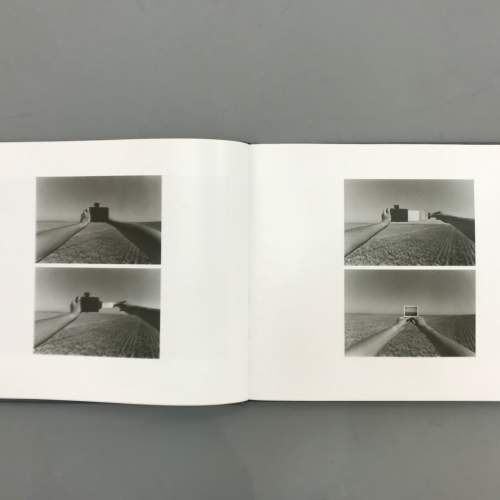
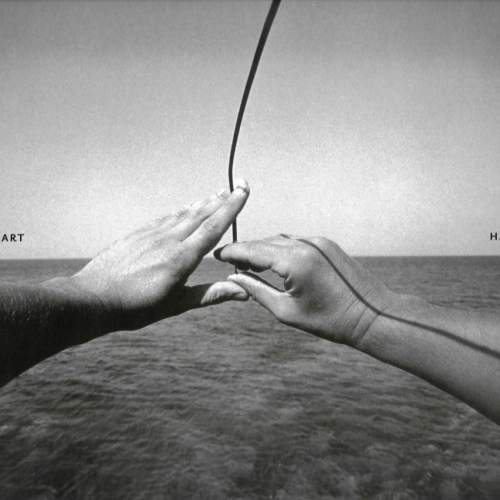 The works of Branko Lenart, which are summarized in this book, date from 1975 to 2012. Much of this is known from other compilations and other contexts, has suddenly new titles and thus brings up to date content levels. The "HAND:WORK" is highly conceptual, but transports a certain meta-level through represented persons, topographies, texts and the memory of their original meaning, creating a whole new whole. Author: Branko Lenart Publisher: Edition Keiper Year: 2018 Hardcover, 120 pages Language: German, English Dimensions: 24,5×30cm ISBN: 978-3-903144-54-5
 -
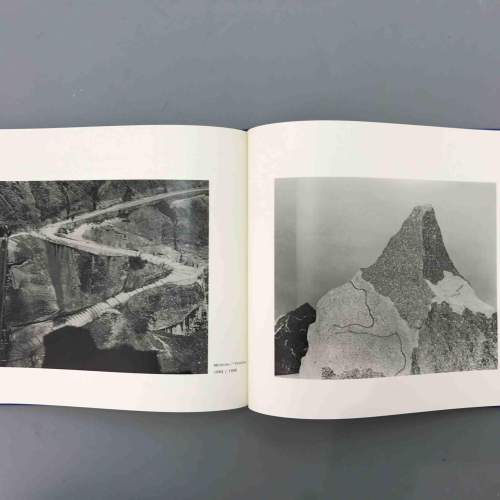
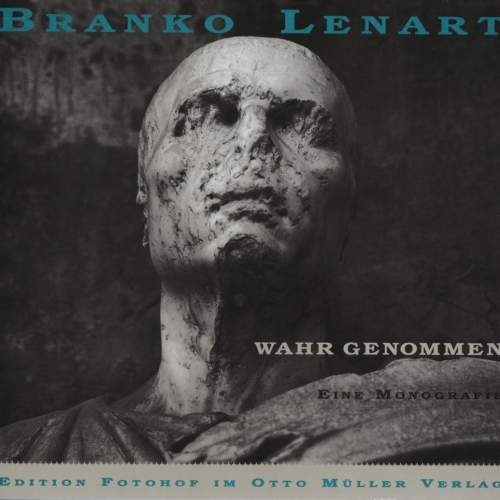 “Wahr genommen” is the title of Branko Lenart’s book, which summarizes his 25-year photographic oeuvre and is divided into various periods in a way suggestive of methodical thought. Lenart´s pun brings perception into proximity with truth and alludes to an aesthetic debate that has been of relevance to photography, on the question whether a technology capable of reproducing reality in even the most minute detail can also produce art with a claim to truthfulness. "Wahr genommen" - a pun involving the double meaning of "perceived" and "accepted as true". Author: Branko Lenart Editor: Kurt Kaindl Year: 1991 Hardcover, 176 pages Edition Fotohof Language: english, german Dimensions: 28 x 25 cm ISBN: 3-7013-0817-9
 -
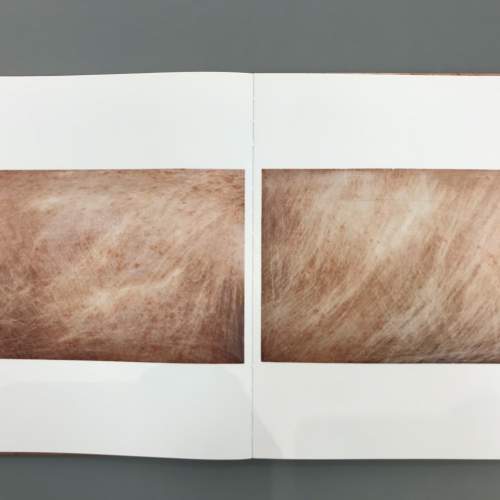
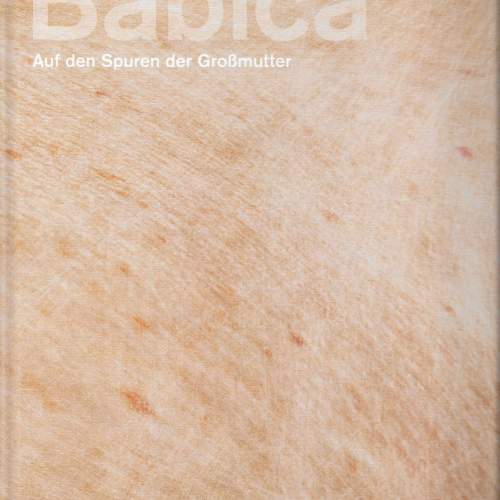 The photobook, entitled Babica (Grandmother) showcases the recent photographic project of photographer Marko Lipuš who set out with his camera to trace the footsteps of his grandmother. This Carinthian Slovenian was deported to the Ravensbrück concentration camp and murdered there in 1945 by the Nazis. In four chapters, Lipuš visually explores the surfaces of the physical structures at the former concentration camp’s premises. He is interested in objects of everyday life in the camp and in the place of the crime itself. Authors: Sabine Arend, Felicitas Thun-Hohenstein, Margit Zuckriegl Publisher: Residenz Verlag Year: 2016 Hardback, 120 pages Language: German, English ISBN: 978-3-7017-3387-3
 -
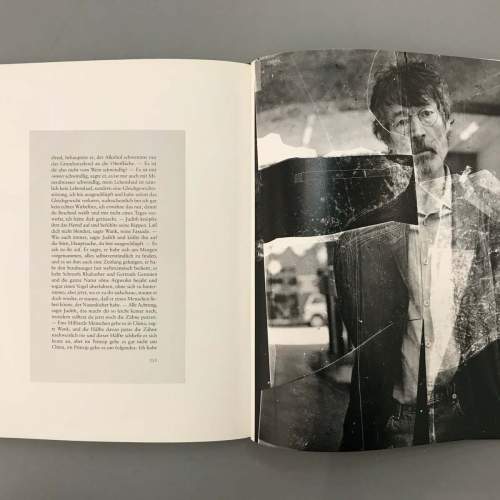
 31 portraits of German-speaking writers - Handke, Haderlap, Mayröcker, Köhlmeier, Röggla, Menasse and others. Lipuš's "scratches" describe and label the portrayed and their literary work. The multi-layered and time-consuming photographic process of the work thickens the photograph and surpasses mere documentary footage. “Photographing is an attempt to deal with the medium of photography itself and its possibilities. In my opinion, no other artistic medium offers this breadth of different aesthetic and content-related possibilities. I advocate a more specific approach to artistic photography and think that photo art should simply deal with aesthetics.” (M. Lipuš) Author: Marko LIpuš Publisher: Marko Lipuš, Wieser Verlag Year: 2008 Hardcover, 1st Edition, 1000 copies Language: English, German, Slovene, Italian ISBN: 978-3-85129-803-1
 -
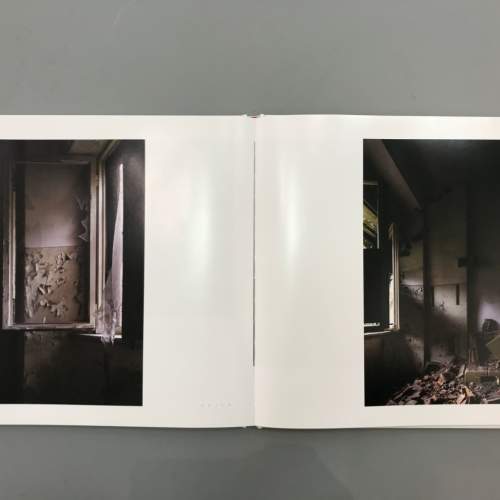
 The story is simple. We follow the protagonist, natural light, in three chapters, as it slowly unveils and deglamourizes. In the first chapter, protruding slants of light are unravelling miniscule details and creating mystical, dream-like images. We could be anywhere. Then, Lumen takes us into the tangible, but is entirely subordinate to geometry. Only in the third chapter is the exhausted body of a former maternity hospital illuminated, the walls stripped off to recognition. It is unforgiving, unmasking the misery, but bringing hope, light and warmth at the same time. Renata Štebih, art historian Author: Nataša Segulin Text: Renata Štebih, Andrej Medved Design: Tomato Košir Publisher: Galerija Fotografija Dimenziones: 28 x 28 cm, 96 pages Hard cover, First Edition Year: 2019 ISBN: 9789619455210
 -
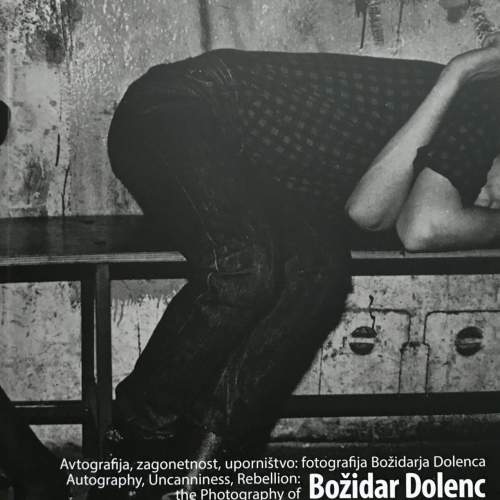 Autography, Uncanniness, Rebellion: the Photography of Božidar Dolenc This catalog accompanied the first major and comprehensive posthumous exhibition of the work of Božidar Dolenc (1950 - 2008) at the Museum of Contemporary Art Metelkova in 2021. Dolenc is one of the most prominent and widely acclaimed photographers of the second half of the 20th century in Slovenia. The exhibition was conceived around his photographic legacy, which was acquired in 2016. He was attracted to street scenes and formulated a recognizable poetics as well as the visual esthetics of the alternative culture events of the late 1970s and 1980s, of which he is now considered the main photographic witness. Author of Photographs: Božidar Dolenc Catalogue Editor: Lara štrumej Texts: Lara Štrumej, Marina Gržinić, Rok Vevar Publisher: Moderna galerija, Ljubljana Year: 2020 softcover, 110 pages Print run: 800 Language: english, slovene Dimensions: 22 x 27 cm ISBN: 978-961-206-143-2
 -
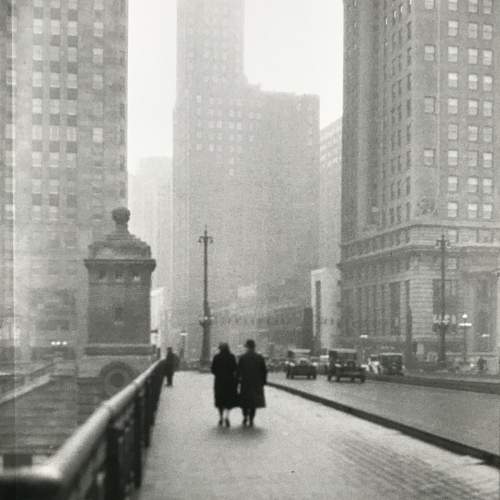 This catalogue accompanied the first comprehensive overview of Božidar Jakac's photography, shown in 2014 at the Museum Modern Art in Ljubljana. Known as a printmaker, the artist sought creative outlets in new media even as a student. Giving prominence to the newly discovered photographs of his from before World War II II, the exhibition followed the chronology of photographs taken by the artist at significant stages of his life: in Prague (1922-23), Novo mesto (c. 1923), Paris (1925), Tunisia (1925), America (1929-1931) and with the partisan forces (1943-1945). It covered the first two decades of Jakac's involvement with photography, when his creative development in this medium was most intense and when he also matured as an artist and as a person. By including a number of his works in other media - drawings, prints, pastels and an oil painting - that represent the same experiential reality as the photographs, the exhibition showed that photography was indeed a new source of insight for the artist. Author of Photographs: Božidar Jakac Text: Lara Štrumelj Publisher: MG+MSUM Year: 2014 paperback, 130 pages Language: english, slovene Dimensions: 22 x 27 cm ISBN: 9789612061081
 -
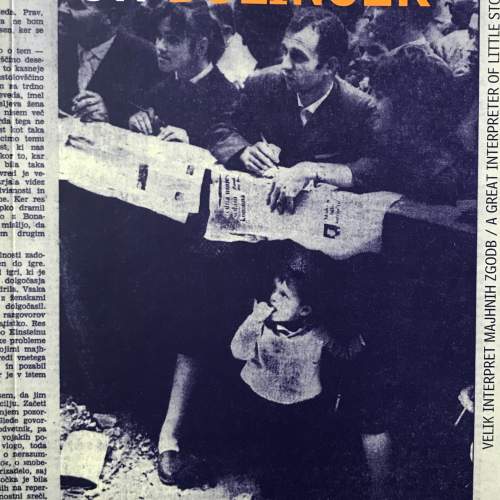 Catalog of an exhibition held at the Moderne galerija, Ljubljana, June 30-Sept. 25, 2005. The first wholesome view of the photographer's life and his productive, rich body of work from the sixties and seventies, which places him firmly amongst the pioneers of journalist photography in Slovenia. Author of Photographs: Leon Dolinšek Texts: mag. Lara Štrumej, Polde Bibič, Zdenka Badovinac Publisher: MG Year: 2005 paperback, 86 pages Language: english, slovene Dimensions: 22 x 27 cm ISBN: 961-206-044-4
 -
 Zmago Jeraj 's series of photographs on the theme of Carnival spans thirty years. The first photographs were taken by chance, merely for the artist's personal archive, with no intention of exhibiting them. Moreover, the initially opportune subject matter was not considered potentially valuable for sustained creative interest. Over time, however, the number of images of figures and scenes associated with Carnival grew and developed into a series. The majority of the shots were taken in the Slovenian town of Ptuj, known for its carnival parade and for the unique carnival figure of "kurent" and its companions. After 1984, when a carnival festival was also organized in Maribor, Jeraj began documenting events in both cities. He focused on masked figures appearing alone or isolated in a crowd of ordinarily dressed people, or on small groups of costumed figures accompanied by random companions. He was interested in homemade costumes, which were often clumsily fashioned and gave a clear indication of the person's ingenuity, skill, and finances. Although Jeraj creates his visual reality with his choice of the event and the moment of freezing it in time, his series of photographs is not without traits of reportage photography and its verism. The outskirts of the center of Ptuj with derelict industrial buildings provide a suitable setting for these images. The emphasis on the banality of the setting robs the carnival figures of their power and creates the semantic concept that prevails throughout the series Carnival Figures and aims to degrade the spectacularity of the figures in various ways. It is thus expressed only with vague allusions to the marginal significance of the costume in relation to the prosaic whole, underlining the futility of the figure's presence. Author: Zmago Jeraj Text: Milojka Kline Publisher: Umetnostna galerija Maribor Year: 1996 Hard cover, 78 pages Print run: 500 Language: english, slovene Dimensions: 30 x 21 cm
