-
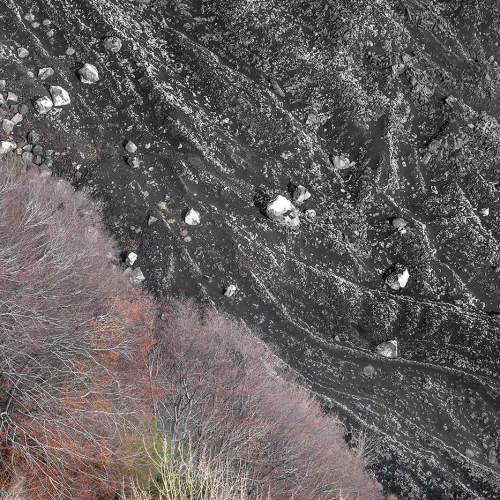
 The book Trees ('Drevesa in Slovene) is entirely dedicated to the visual and poetical presentation of the trees and forests. Photographs of Gregor Radonjič are combined with the poetry of Ivo Svetina. The book also includes an introductory essay on the significance of trees for human civilization throughout history and their depiction and symbolism in the art of photography written by the author Gregor Radonjič (all texts in Slovene language). Author: Gregor Radonjič Poetry: Ivo Svetina Publisher: Umco d..d, Ljubljana Year: 2020 Hard cover, 150 pages Edition: 500 Language: Slovene Dimensions: 30 x 20 cm ISBN: 978-961-7050-70-7
 -
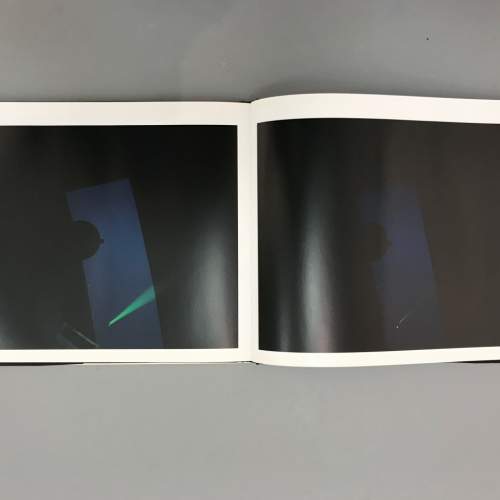
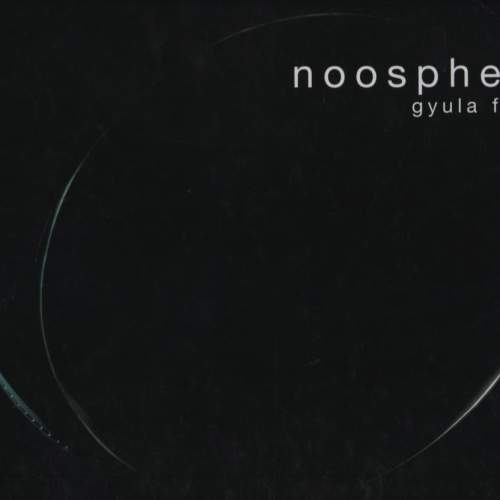 Noosphere term refers to the “realm of human thought. ” Intelligent Coating “around the globe, covering all the intellectual processes. Gyula Fodor does not follow the theological reference of the term, nor one that leads to virtual reality. Tries to create a new artistic reference for “noosphere”. This is the euphoria that promotes life and is characterized by “the liberty of migrant “and the pain that remains due to the loss. Author: Gyula Fodor Text: Linda Klösel, Marc Gisbourne Publisher: Salamon Verlag Year: 2007 Hardcopy, 105 pages Print: Repro 12, Vienna Language: english, German Dimensions: 28 x 24 cm ISBN: 978-963-06-2627-9
 -
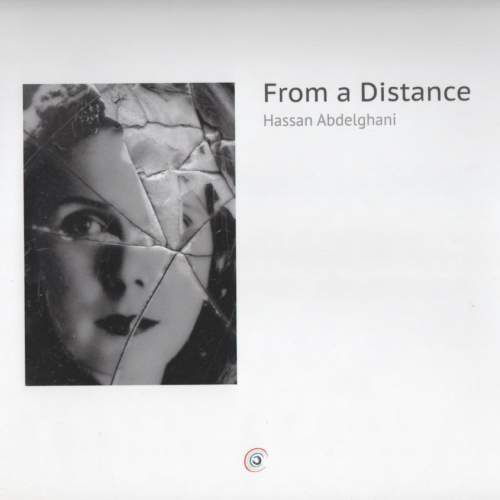 “From a distance” the photographer’s eye has been eager to come closer to the cities and meet their people. However, he got closer to the town by visiting his city of the dead. Author: Hassan Abdelghani Publisher: Eikon Studio Foreword: Paola Orlić Year: 2012 Hardcover, 56 pages Language: english, croatian Dimenzije: 25 x 23 cm ISBN: 978-953-57251-0-7
 -
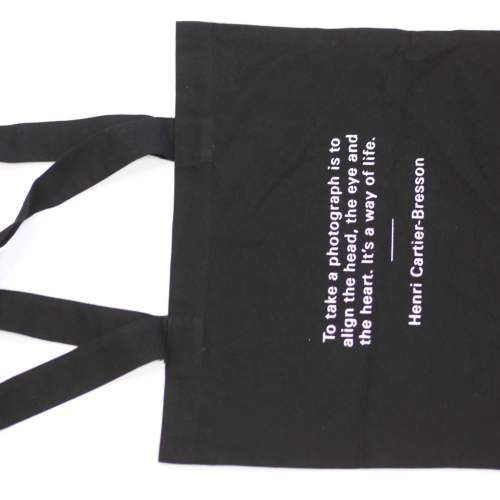
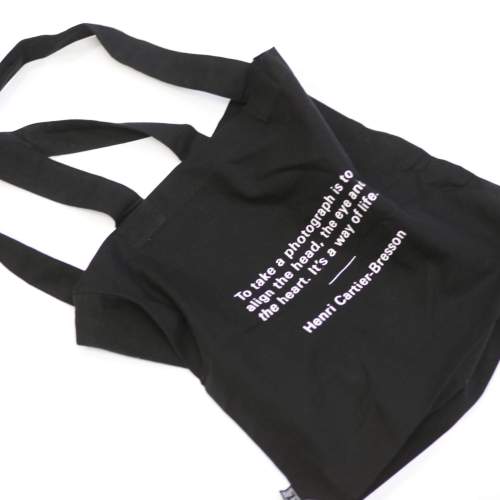 Tote bag sporting Henri Cartier-Bresson’s words of wisdom. Released to celebrate the 70th Anniversary of Magnum.
 -
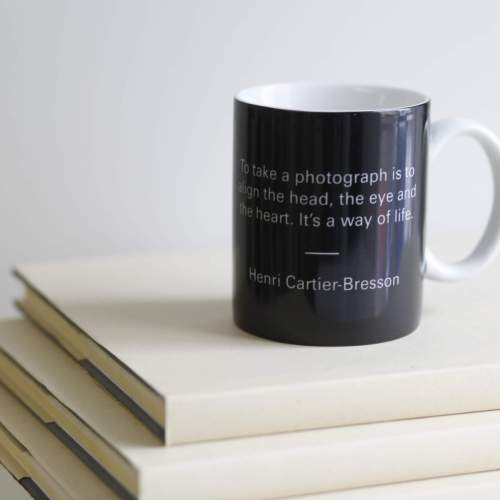
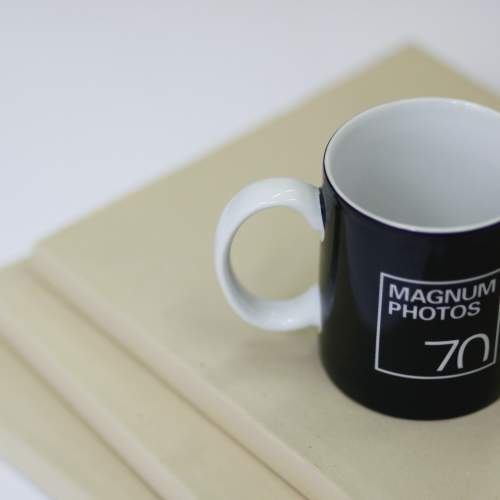 Coffee/Tea mug sporting Henrie Cartier-Bresson's words of wisdom. Released to celebrate the 70th Anniversary of Magnum.
 -
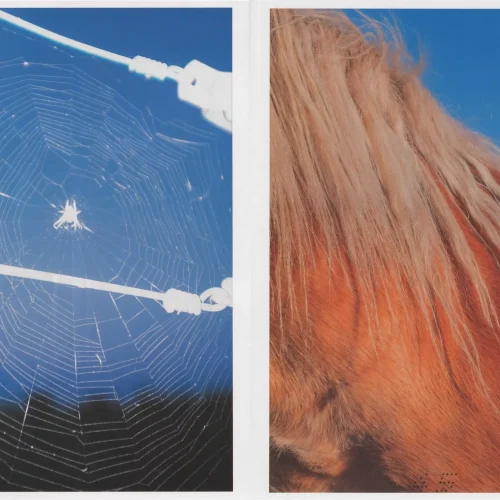
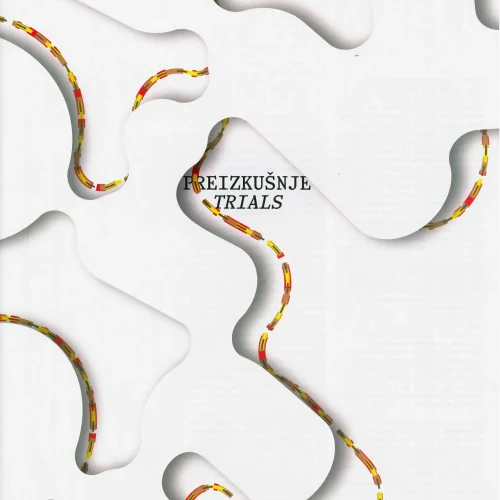 Henrik is a magazine and platform dedicated to documentary and contemporary photography, offering a rare printed space for visual storytelling in a time when such opportunities are becoming increasingly scarce. It provides photographers with the chance to tell meaningful stories that blend topical relevance, a refined visual language and a distinctly personal approach. As a one-of-a-kind publication in Slovenia and the broader region, Henrik brings a breath of fresh air and offers a much-needed stage for creative voices.The first issue revolves around the theme of Trials. Ana Šuligoj shares a deeply personal account of losing her mother due to asbestos exposure, while Robert Marin and Sergej Harlamov delve into the metaphorical and literal underground - a refuge for those seeking meaning. Eva Bevec uses visual language to explore the quiet presence of the banal and the absurd as a subtle reflection of today’s struggles. Ivan Tomašević offers a moving meditation on the Croatian war veteran community through the lens of his father’s story, while Meta Krese presents Hazira’s powerful testimony from a survivor camp following the Srebrenica genocide.
Photographers: Ana Šuligoj, Robert Marin, Meta Krese, Eva Bevec, Ivan Tomašević
Editors: Nik Erik Neubauer, Jaka Teršek
Designer: Žiga AnderličLanguage: English, Slovenian Size: 43 x 30 cm, 64 pages Binding: twin-loop binding Publisher: Društvo Študio, 2025Print run: 500 -
Sale!
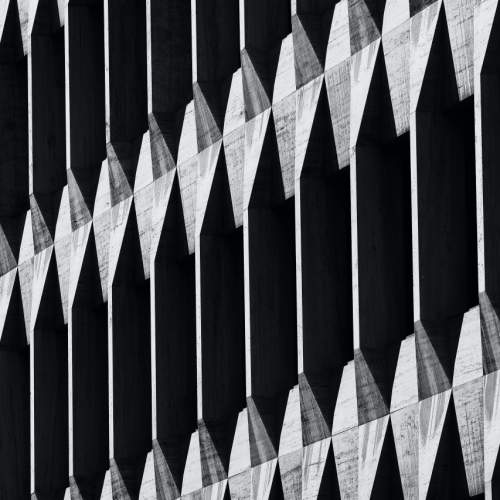
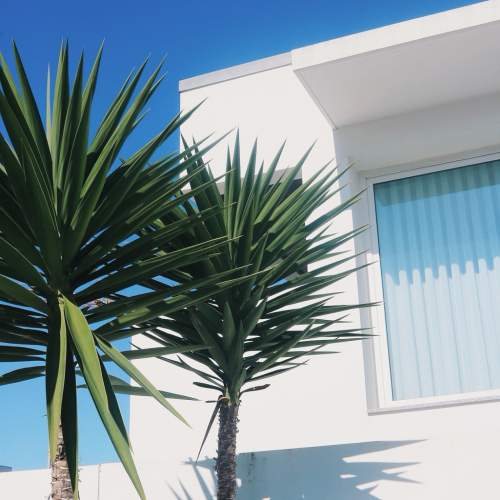 Ian Polak Rožac (1998) is an artist in the field of visual communications, mainly engaged in photography, graphic design and video. He studied in Slovenia and abroad. His work is centered around digital photography of architectural landscapes, fashion and portraits. The works selected testify to the photographer's passion for colors, contrasts, and minimalistic compositions with a strong aesthetic note. His work is distinguished by contrasts, pure images and details of the industrial and architectural objects where he finds inspiration in peculiar textures and intriguing forms. The exhibited photographs were taken on his journeys discovering Spain and Portugal. The photograph is printed on archival matt 290g paper. The entire edition is printed with a white border in the dimension 40 x 50 cm (including the white border). With each print, you will receive a certificate of authenticity. Each print (photograph) comes in an edition of 50.
 -
Sale!
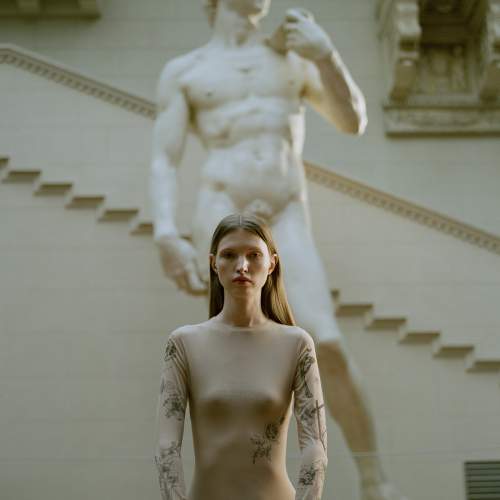 NOVO!Dimensions: 60 x 40 cm + black frameAll prints are printed on fine-art 100 % cotton paper
 -
Sale!
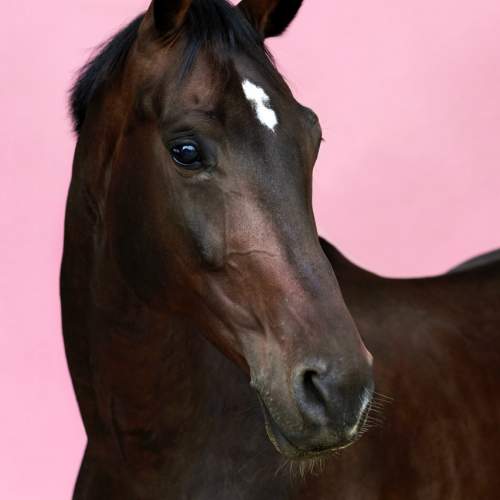
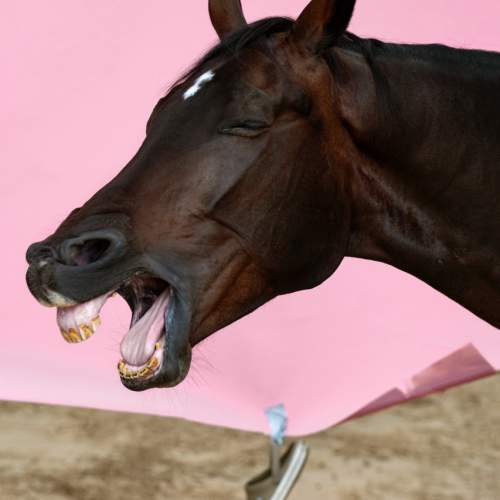 NEW!Iza Štrumbelj Oblak (1997) is about to complete the study of photography at the higher school of applied sciences VIST. To acquire additional knowledge and broaden her horizons, she took several courses, and participated at several group exhibitions and photography competitions. Despite being her favorite medium of expression, she is not bound to photography. She is interested in the society and its many problems, intricating them with the motif of personal growth. In her earlier work, she tried to figure out beauty and explored the notion of personal identity. She has always been interested in human relations and the personal stories of the people behind the pictures. The photographs on display come from the backstage of her previous project in which she constructed her self-portrait through the materialization of relations, memories, interests and national identity. She wonders what happens if the portrait is stripped off itself, which makes her explore other constituents of personal identity. The photograph is printed on archival matt 290g paper. The entire edition is printed with a white border in the dimension 40 x 50 cm (including the white border). With each print, you will receive a certificate of authenticity. Each print (photograph) comes in an edition of 50.
 -
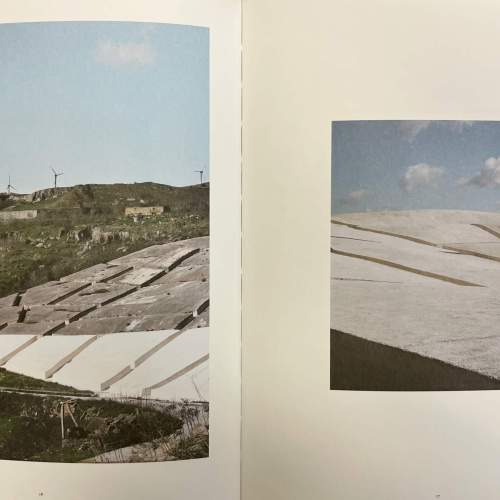
 Which are the factors that have created one of the of the leading man of the Sicilian Mafia? How did Jakub Stanek come across this dangerous man in sunny Sicily and how did the idea of encapsulating this unusual encounter in the form of a photo publication come about? This unique experience in which Stanek built a friendly relationship with Giuseppe, made it possible to showcase and build on the image of a criminal, together with the everyday image of a hospitable, friendly, intelligent man who loves his small homeland. The photos are impressions of places, stories heard and people pointed out by »Peppe«. The Sicilian mafia today, Cosa Nostra, is a cleverly camouflaged machine blending into people's daily lives, weakening the state and controlling businesses. Proof of how organised and secretive the organisations structure is, is the fact that for these past 25 years Matteo Messina Denaro – the ringleader, so to speak - has remained a free man, while life on the streets goes on at its own pace, and the people of Sicily seem to pay no attention to the world of deals, patronage and harangues of which they are a part of. Somewhere high in this puzzle is Giuseppe Fontana - Matteo's friend, his right hand, consigliere. He deals his cards prudently and lives a seemingly ordinary life – the life of which this photo-book speaks of.
Photographs: Jakub Stanek Text: Jakub Wiechowski Design: Piotr Najar Year: 2017 Hard cover, 118 pages Language: English
ISBN: 978-83-949136-0-1
-
 Janez Korošin (1935) began doing photography at the age of seventeen in the Photo Club Ravne na Koroškem. He joined the Jože Stefan Institute in Ljubljana in the spectroscopy laboratory, where he met Marjan Smerke, who introduced him to exhibiting photography. He became a member of the Photo Club Ljubljana in 1966 and later, when they merged in 1968, a member of Photo Group ŠOLT – Ljubljana. He received numerous international awards and prizes for his photographic work. In 1977, the Photographic Association of Yugoslavia awarded him the title of Master of Photography, and in 1996, the Association of Slovene Photographers presented him with the Janez Puhar Award for his lifetime achievement in photography. In his extensive oeuvre, he devoted himself to a variety of motifs, mainly landscape and genre shots. He recorded numerous scenes of everyday urban life and created portraits of individuals in urban landscapes and at various social events. Korošin's work expresses a subtle approach to composition and the creation of atmosphere. He has always developed his photographs himself and has an excellent sense of tonality and a masterful use of grainy black-and-white film. This work is part of a photographic folder or portfolio box with twenty prints by renowned Slovenian photographic artists from the 1970s to the present day, published on the occasion of the 20th anniversary of Photon Gallery. - The edition is 100 copies, the 40 x 50 cm photographs are printed on archival paper, the prints are signed and accompanied by certificates.