-
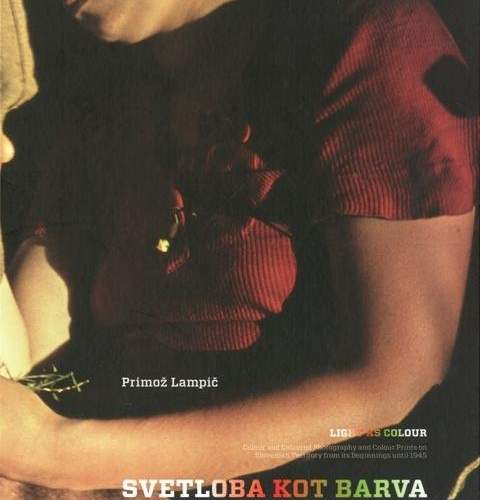 Colour and Coloured Photography and Colour Prints on Slovenian Territory from its Beginnings until 1945. Author: Primož Lampič (MAO) Texts: Matevž Čelik, Primož Lampič Publisher: Muzej za arhitekturo in oblikovanje, Ljubljana Year: 2015 Hardcover, 287 pages Print run: 400 Language: english, slovene Dimensions: 23 x 29 cm ISBN: 978-961-6669-33-7
 -
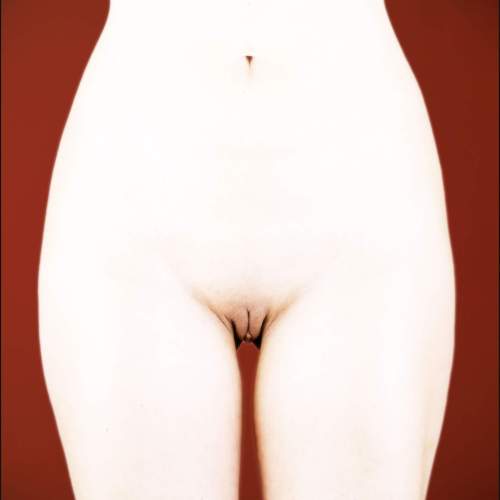 Rajko Bizjak (1963) is a photographer who studied film at the Academy of Dramatic Art in Zagreb (1990). He is the author of numerous photography series and worked on over ten short and documentary films as the director or cameraman. Teaching photography since 1995, he has had vast experience in this field of teaching at an array of schools, courses, seminars, symposiums in Slovenija and abroad. Since 2006, he has been a high-school and since 2009, a higher education professor for photography and film. His body of work is characterised by erotic photography of the female body, which he presents in unusual and provocative aspects in projects such as The Game (1986), Hommage a Eikoh Hosoe (1991), Kanaan (1996) and Flowers (2001). He presented his solo project Short Stories (2011) at the Photon Gallery. His works are held in the collections of the Cabinet for Slovenian Photography Kranj and have also been presented at the Bonhams auction house. This work is part of a photographic folder or portfolio box with twenty prints by renowned Slovenian photographic artists from the 1970s to the present day, published on the occasion of the 20th anniversary of Photon Gallery. - The edition is 100 copies, the 40 x 50 cm photographs are printed on archival paper, the prints are signed and accompanied by certificates.
 -
Sale!
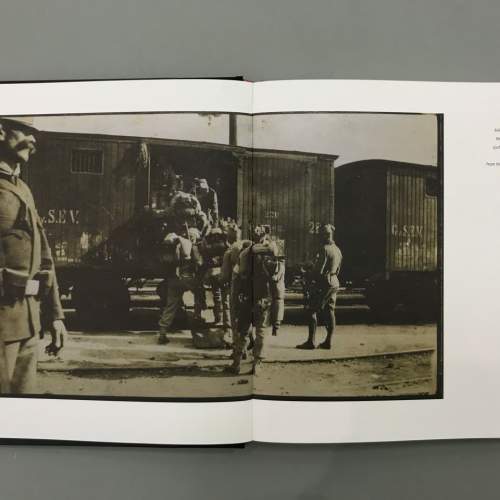
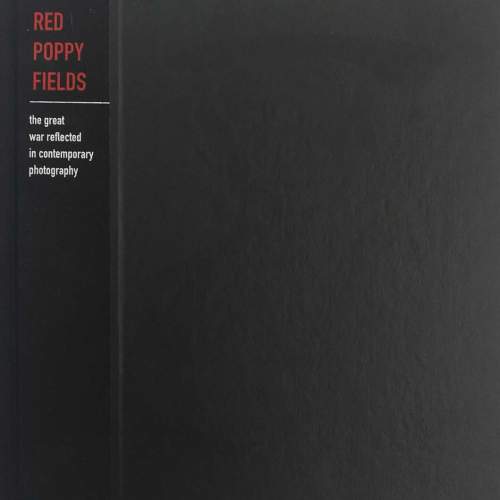 SALE!The Red Poppy Fields project aims to reflect on turbulent European history and causal relationship between ideology and economy, politics and war. It is examining causes and consequences for/of the World War I and its broader social, political and economic implications. Focusing on the photographic medium the curators and artists are presenting different views and draw parallels between past and present. The project brought together partners from Hungary, Poland, Slovakia and Slovenia. Associated curators: Michaela Bosakova (Bratislava), Katarzyna Majak (Warszaw) and Gabriella Uhl (Budapest). Curators: Dejan Sluga, Miha Colner Editors: Dejan Sluga, Miha Colner Partners: Galerija Photon, Cankarjev Dom, Baltic Gallery, Central European House of Photography, Association of Hungarian Photographers Publisher: Photon Year: 2017 Print run: 300 Hardcover, 123 pages Dimenzije: 24 x 21 cm Language: English ISBN: 978-961-92744-6-0
 -
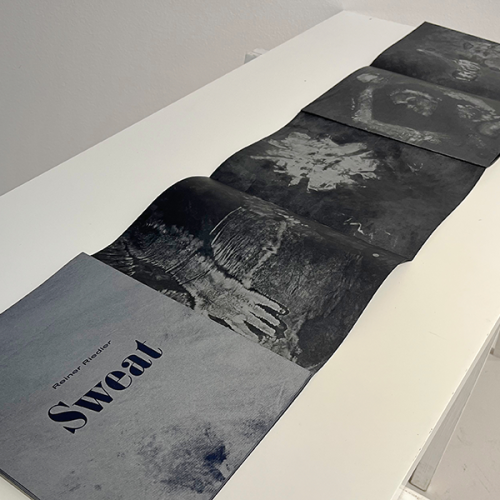
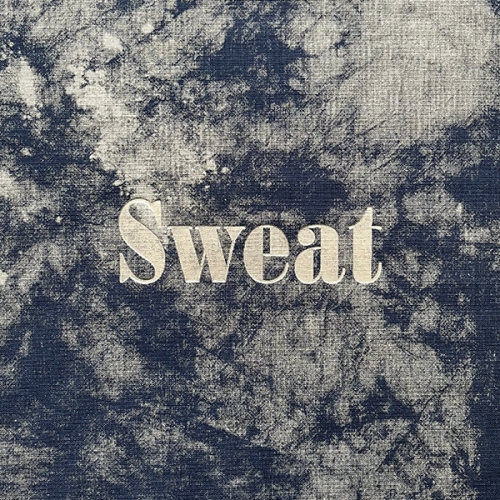 „In today’s world, sweating is taboo. Enter “sweat” into any search engine and you’ll find a multitude of ways to remedy it. The huge array of deodorants available commercially is an indication of just how unacceptable sweating is in everyday life. Sweat is embarrassing: a sign of poor hygiene. Body odor is ‘disgusting’. Faces cringe when confronted with it. Even as far back as the Bible, sweat was equated with hardship. When Adam was expelled by God, for example, he was condemned thenceforth to earn his daily bread By the Sweat of His Brow (Genesis 3, 19). Sweat may well owe a good part of its poor reputation to its anti-social stench, but it also has negative connotations due to its association with fear. A sweaty handshake betrays nervousness. When you wake up bathed in sweat at night, it’s more likely due to nightmares or anxiety than to faulty air conditioning. Photographer Reiner Riedler has discovered sweat as an artistic form of expression.Fascinated by the image captured by the sweat on his T-shirt after jogging – like a spontaneous self-portrait – he has used the sweat produced by others to create a series of images. In order to achieve this, he approached the renowned Fraunhofer Institute in Munich which provided him with a special sensory material that could be placed above or underneath his perspiring models. In doing so, Riedler used the sweaty body as a kind of rubber stamp to create life-size negatives. He then photographed these and transformed them into monochrome paper prints.“
- Vreni Hockenjos, Excerpt from the book
Photographs: Reiner Riedler Texts: Vreni Hockenjos Graphic design: Tapir Design / Ania Nalecka-Milach Publisher: Reflektor Year: 2019 Hardcover, linen, 104 pages Language: English Dimensions: 24 x 30,5 cm
ISBN: 978-3-9502450-9-7
-
 NEW!
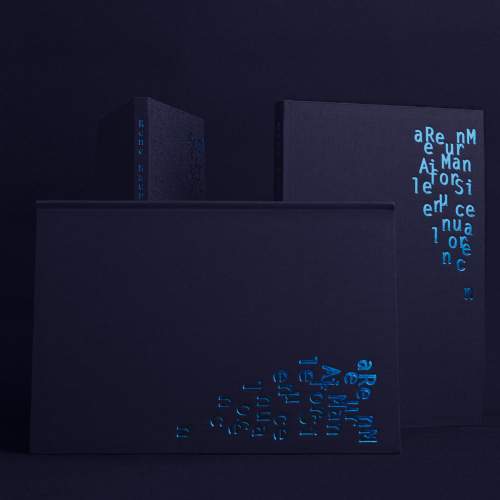
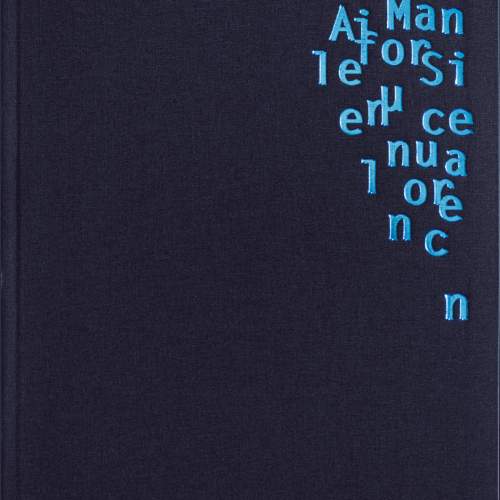
NEW!A Manual for Silence is a photo-text booklet based on an ongoing sequence of photographs bearing the same title. Images may tell the narrative, the testimony, via its absence — the vacancy of the subject. Text conjures images by beleaguering the unspeakable — pasting words and sentences onto the invisible form until it reveals a wireframe of the object.
Perhaps there — behind this impediment, the existence of it all is to be found. In the failed correspondence of mumbling planes and shards of breached conventions. In the imminent erosion of understanding, solely a silent touch can soothe.
Author: Rene Maurin Publisher: Generator Year: 2019 Hard cover, 112 pages Edition: 300 copies Language: English Dimensions: 24 x 17 cm ISBN: 9789612907303 -
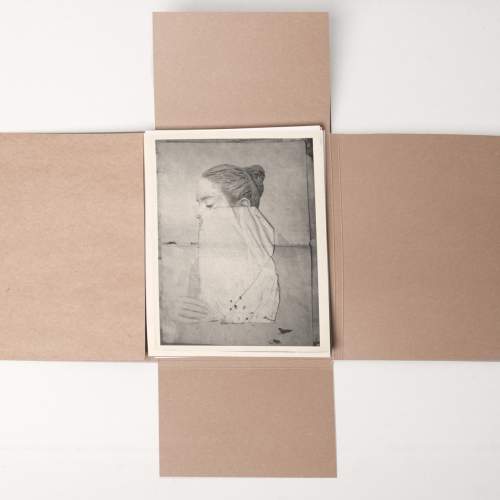
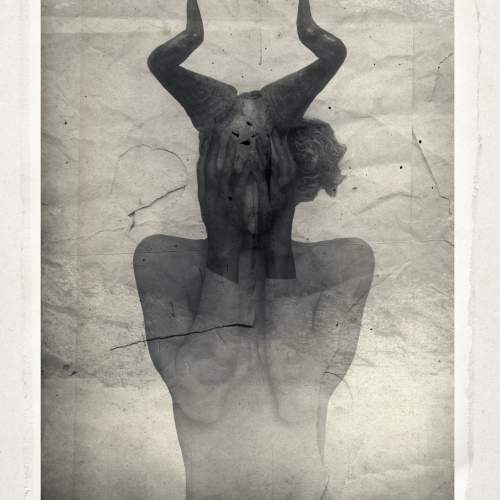 Robert Kusterle's exhibition catalogue is actually a photographic folder published on the occasion of the Images on Paper / Cartacei, exhibition opening at the Gong Gallery in Nova Gorica. The conceptual design of the publication is a collaboration between the artist, Gong Gallery and Studio Faganel from Gorizia, where the catalogue was also designed. The photographic folder includes, in addition to the expert text, fourteen individual reproductions of photographs based on images of old papers from the Gorizia archive, with damaged and faded stamps layered on top of each other. The last layer is made up of human figures that merge and are immersed in the paper, so that the viewer can no longer distinguish between the surface of the body and the paper. In the context of the artist's concept of photographs, the cover of the folder is partly made of pieces of old paper, while the title of the exhibition and the gallery's logo are stamped onto it. Author: Roberto Kusterle Text: Nataša Kovšca Publisher: Galerija Gong Year: 2020 Photographic map: 14 prints Print run: 100 copies Language: slovene, italian Dimensions: 27 x 21 cm ISBN: 978-961-95131-0-1
 -
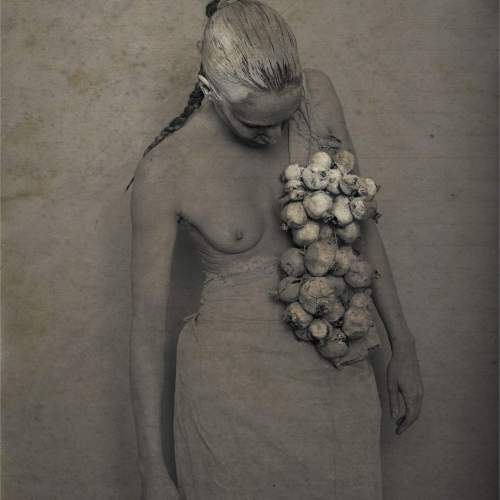 Roberto Kusterle (1948, Gorizia) has been active in the field of visual art since the 1970s, initially taking up painting and installation work. In the late 1980s, he became interested in photography, which soon became the main medium for his artistic expression. In his work, he focuses on the themes of continuality and connectivity between the human, animal and the natural world. His artistic style encompasses elements of the unusual, bizarre and the surreal. His photographs are not documentary in nature, but are figments of his imagination; the objects, people and the worlds depicted do not exist in reality and typically serve as the basis for his photography. He has been actively exhibiting throughout Italy, Slovenia and internationally since 1988. During this time he has participated in more than 90 solo exhibitions and more than 140 group exhibitions. His most recent solo exhibitions include Habitados at the Museo de la Memoria Històrica Universitaria, Publa, Mexico (2020), the 20e èdition du Festival Europèen de Photo de Nu, Church Sainte-Anne, Arles (2020), Echo, Galleria Weber & Weber, Turin (2021), and series Echo and Cartacei at the Photon Gallery in Ljubljana and Vienna (2023). During his artistic career, he has published 15 monographs. This work is part of a photographic folder or portfolio box with twenty prints by renowned Slovenian photographic artists from the 1970s to the present day, published on the occasion of the 20th anniversary of Photon Gallery. - The edition is 100 copies, the 40 x 50 cm photographs are printed on archival paper, the prints are signed and accompanied by certificates.
 -
Sale!
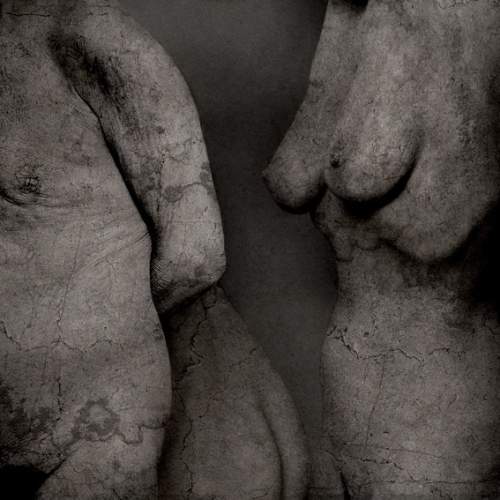
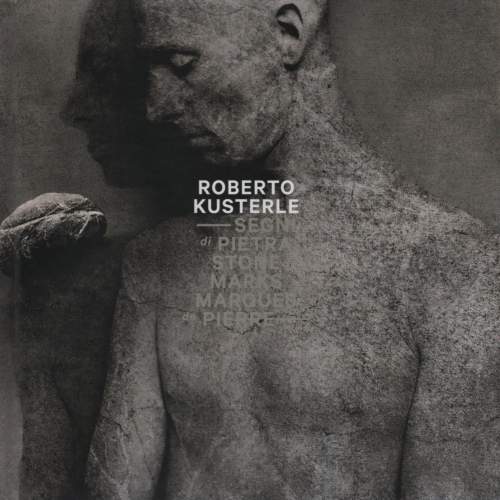 SALE!Stone Marks is the latest photo book by Roberto Kusterle, a Slovenian-Italian artist, who is devoted to non-representational photography as he preserves a kind of picturesque style, which always contains elements of odd, bizarre, surrealist. His photography does not document, but is a complete invention; it creates miz-an-scenes both in the studio and outside. Authors: Guido Cecere, Roberto Kusterle Publisher: Punto marte & Photon – Center za sodobno fotografijo Year: 2012 Hardback, 87 pages Dimensions: 28,5 x 28,5 cm Language: italian, english ISBN: 978-88-95157-38-2
 -
Out of stock
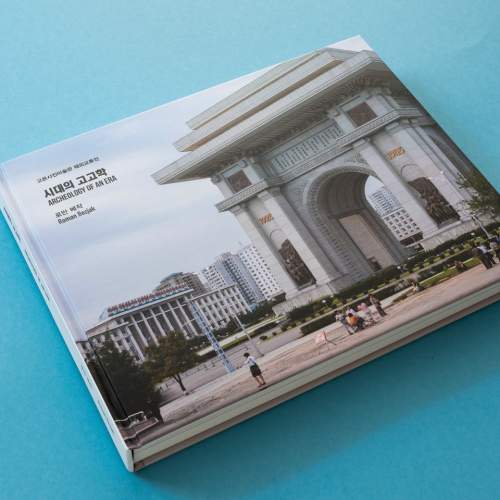
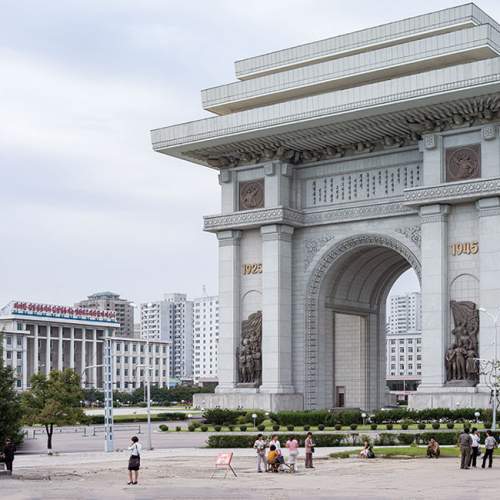 In recent years Roman Bezjak has been intensively studying the theme of Socialist Modernism. He took the last series of photographs in Tashkent, in a "city as a symbol of Soviet modernity and an open-air museum of socialist architecture". In this experimental laboratory of modern architecture, only the countless prefabricated buildings remain in their original condition today. The devastating earthquake of 1966 enabled the emergence of an open-air museum of socialist architecture in Tashkent. Urban planners were able to realize their vision of a new city as a symbol of Soviet modernity in Asia. In this experimental laboratory of modern architecture, only the countless prefabricated buildings remain in their original condition today. The architects and building artists virtuously combined constructional requirements with local traditions. Oriental mosaic ornaments decorate the windowless gable facades of the prefabricated buildings. The facade designs of the long sides take into account the hot climatic conditions of the region with their concrete ornaments that serve as sunshades. Author / Photographs: Roman Bezjak, 2005 - 2013 Senior Curator:: MiJung LEE Book Design: JiYoung KIM Published by: GoEun Museum of Photography, Busan. South-Korea First edition: 2019 Pages: 174 40 images Socialist Modernism 43 images Pyongyang ISBN 978-89-6956-036-0
 -
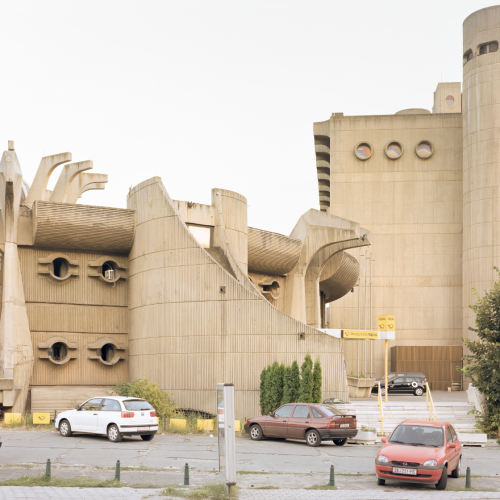 Roman Bezjak (1962) studied photography in Dortmund. From 1989 to 1999 he worked on photo essays worldwide for the magazine of the Frankfurter Allgemeine Zeitung and other German print media. In 1996, he won the German Photography Award. In 2000, he was appointed professor of photography at the Bielefeld University of Applied Sciences, where he has been a dean since 2014. Between 2005 and 2011, he produced the work Archaeology of an Era, Images on Socialist Postwar Modernism. From 2011, Roman Bezjak presented his work in numerous solo exhibitions, including at the Sprengel Museum, Hannover and at the GoEun Museum of Photography, Busan, South Korea. He participated in exhibitions at the Pinakothek der Moderne, Munich, the Architekturzentrum Wien, and the Deichtorhallen Hamburg. Bezjak published his works in photo books: Socialist Modernism published by Hatje Cantz in 2011, this was followed by further works on Socialist Modernism in Pyongyang (2013) and Tashkent (2017–2019) and its revision and reshaping in Skopje (2019). This work is part of a photographic folder or portfolio box with twenty prints by renowned Slovenian photographic artists from the 1970s to the present day, published on the occasion of the 20th anniversary of Photon Gallery. - The edition is 100 copies, the 40 x 50 cm photographs are printed on archival paper, the prints are signed and accompanied by certificates.
 -
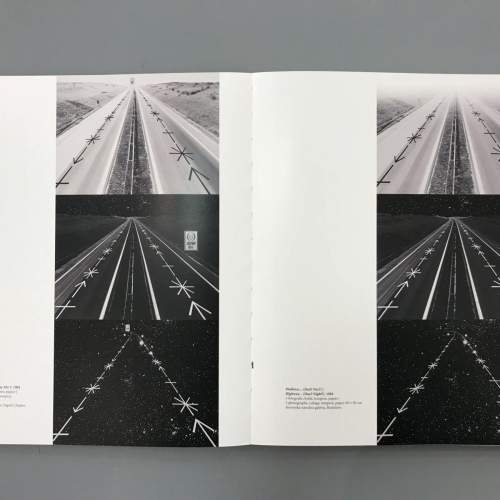
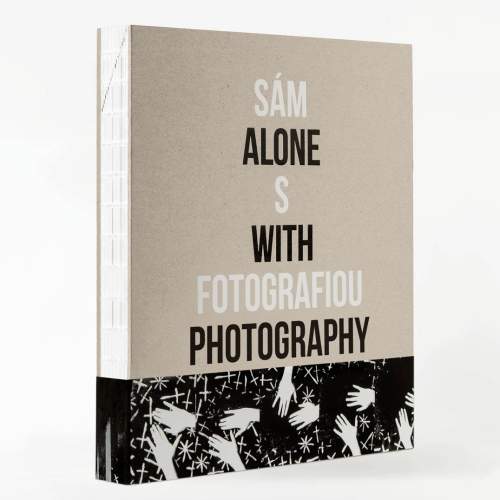 Rudolf Sikora is one of the most important conceptual artist in Slovakia. The book is divided into several logical units being dominated by the reproduction of works of authors who are listed chronologically. The harmony of the gallery sometimes are break with texts by curators, which also form the bulkheads in the book. Reproductions are designed individually, and each double-page is made with the same principles. However, none of the facing pages are similarly. The whole book is used two columns layout that varies with nuances. The book cover is a strip with photography that overlaps exactly two lines of text on the case. Overwrap, therefore, gives us a free hand in the creation of another visual book. Author: Rudolf Sikora Editor: Katarina Bajcurova Year: 2016 Hardcover, 328 pages Second extended edition Language: english, slovak Dimensions: 28 x 23 cm ISBN: 978-80-972583-0-6
 -
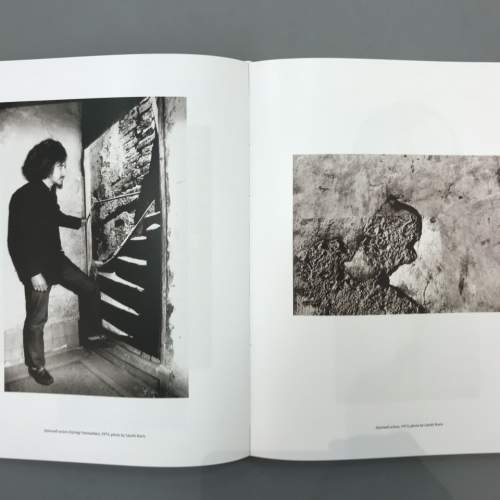
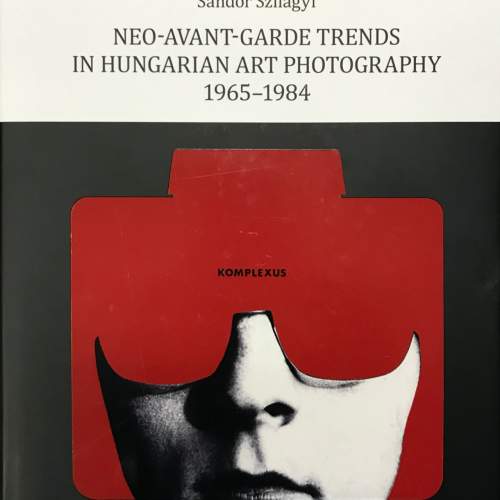 Neo-avant-garde Trends in Hungarian Art Photography, 1965-1984 has been published with the support of Art+Text Budapest. The book, like its Hungarian version published in 2007, presents some 400 works of art by 32 Hungarian artists of the 1960s, 1970s and the early 1980s. It undertakes to collect the greatest photographers of this vibrant and fruitful era from Géza Perneczky to Tibor Hajas and János Vető. Among the presented artists we can find photographers who refused the anachronistic aesthetics of the official photography, and artists who used the camera accepting the conceptual approach of the period. Author: Sándor Szilágyi Foreword: Sarah Morthland Publisher: Art + Text Budapest Year: 2017 Hardcover, 377 pages Language: english (first english edition) Dimensions: 30 x 24 cm ISBN: 978-963-12-8293-1
